






Getting to Know Rengginang, a Traditional Indonesian Snack
Indonesia possesses a diverse array of traditional culinary delights passed down through generations. Each region boasts its own signature dishes, characterized by unique flavors and distinct qualities.
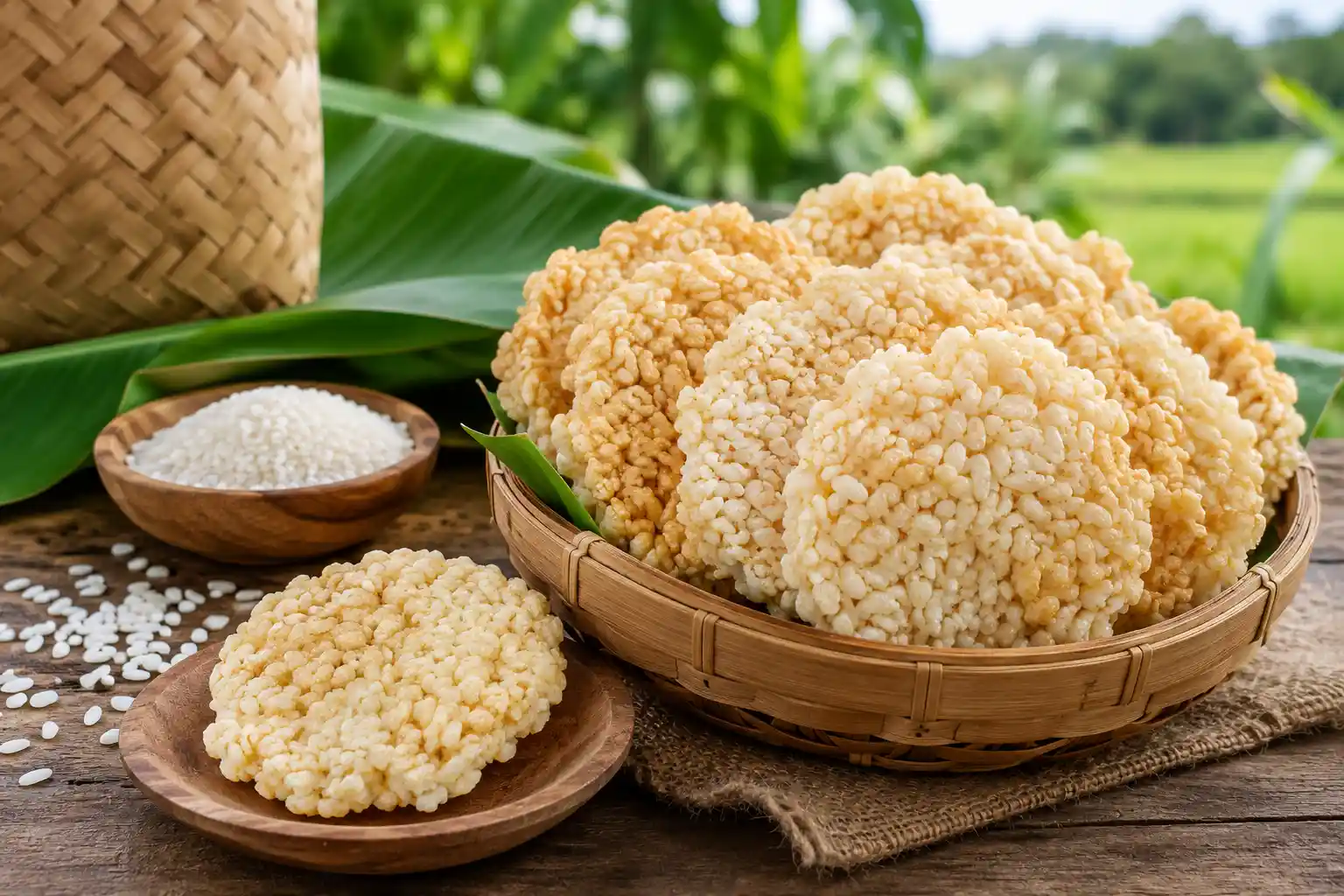
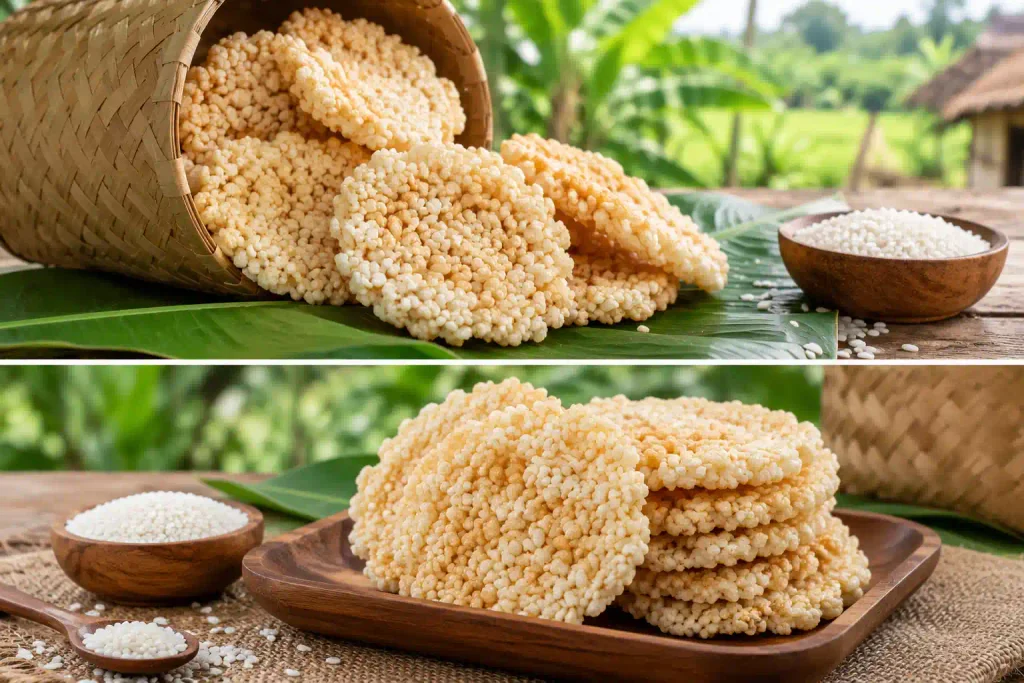
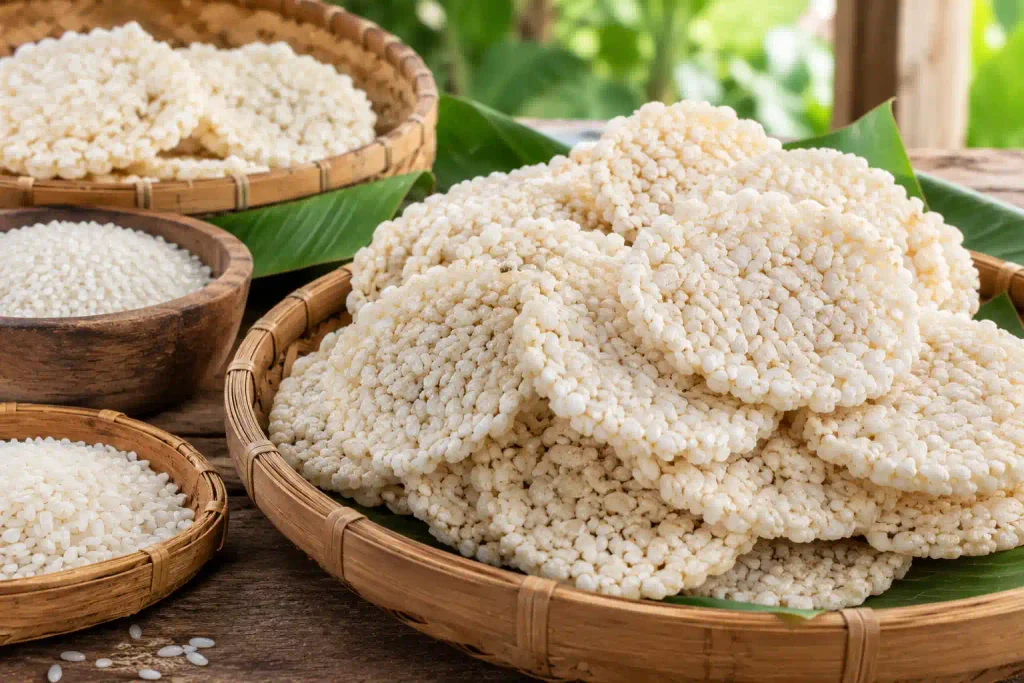
One traditional snack that remains popular to this day is *rengginang*. Made from glutinous rice, this snack is known for its crunchy texture, flat, round shape, and savory, delicious taste.
*Rengginang* is a traditional snack frequently found across various regions in Indonesia, particularly on the island of Java. It is typically served as a companion while relaxing, as an accompaniment to a meal, or as a snack during family gatherings. Although it is a simple food, *rengginang* holds cultural and historical significance worth preserving.
The History and Origins of Rengginang
*Rengginang* has long been recognized as part of Indonesia’s culinary tradition. It is closely linked to the local custom of utilizing available ingredients—specifically glutinous rice—to create food.
An interesting aspect of *rengginang* is its preparation process: the glutinous rice is steamed, seasoned, shaped, and then dried before being deep-fried.
This process allows the snack to be stored in its raw, dried form and fried only when ready to be served. In many regions, making *rengginang* at home is a tradition leading up to holidays or family events. This practice demonstrates that *rengginang* is more than just food; it is an integral part of the social and cultural life of the community.
Ingredients and the Preparation of Rengginang
The primary ingredient for making *rengginang* is glutinous rice. Additionally, seasonings such as garlic, salt, and flavor enhancers are added according to personal preference. Some variations of *rengginang* incorporate *terasi* (shrimp paste) or other additional ingredients to create a distinctive flavor.
The process of making *rengginang* begins by washing and soaking glutinous rice, which is then steamed until cooked. Afterward, the glutinous rice is mixed with seasonings and shaped into small, flat discs.
Once shaped, the *rengginang* is sun-dried until completely dry. The final step involves deep-frying the *rengginang* in hot oil until it expands and develops a crispy texture.
Thorough drying is a crucial factor in producing high-quality *rengginang*. If the drying process is incomplete, the *rengginang* may fail to expand properly when fried.
The Variety of Flavors and Uniqueness of Rengginang
As times have changed, *rengginang* (traditional crispy rice crackers) has evolved to include a wide array of flavors. While traditional *rengginang* is typically savory and salty, it now comes in variations such as shrimp paste (*terasi*), garlic, and sweet versions, as well as modern flavors
tailored to contemporary consumer tastes. The uniqueness of *rengginang* lies in its crunchy texture and its simple yet distinctive flavor profile. Its flat, round shape is also a highly recognizable feature. Furthermore, *rengginang* holds a special appeal because it is crafted through a traditional production process that requires great patience and diligence.
In many regions, *rengginang* is produced on a household scale and sold as a souvenir or as a product of small-scale enterprises. This gives *rengginang* not only culinary value but also the potential to support the local economy.
*Rengginang* as a Culinary Business Opportunity
*Rengginang* presents a promising business opportunity, as its raw ingredients are relatively easy to source, and the product can be marketed either in its raw (unfried) form or as a ready-to-eat snack. Raw *rengginang* can be packaged so that consumers can fry it themselves at home, while the cooked version can be sold as a convenient, ready-to-consume snack. To enhance competitiveness, business owners can innovate in terms of flavors, sizes, packaging, and marketing strategies. Attractive packaging and clear product information help build consumer trust, while marketing through social media and online marketplaces can significantly expand the product’s reach. Nevertheless, the quality of the flavor, the hygiene of the production process, and the shelf life of the product must remain top priorities. With proper management, this traditional snack can thrive as a local product capable of competing in the modern market without losing its authentic identity.
Efforts to Preserve *Rengginang* as a Culinary Heritage
Amid the prevalence of modern foods and snacks from abroad, it is essential to continue introducing traditional foods like *rengginang* to the younger generation. Rengginang serves as an excellent example of a culinary tradition worth preserving, as it possesses a distinct flavor profile and a production process that
reflects local wisdom. Preservation efforts can include introducing rengginang to children, serving it during family gatherings, supporting local producers, and promoting it through digital media. Innovations can also be introduced, provided they do not compromise the core identity of rengginang as a snack made from glutinous rice. In this way, rengginang need not be viewed merely as a relic of the past; rather, it can continue to evolve as a vibrant part of Indonesia’s rich culinary heritage.
Conclusion
Rengginang is a traditional Indonesian delicacy characterized by its savory taste, crunchy texture, and unique preparation method. Made from glutinous rice, it stands as a testament to the creativity of the community in transforming simple ingredients into a widely beloved snack. Beyond its cultural significance, rengginang also offers entrepreneurial opportunities. Therefore, it is essential to preserve and develop this traditional food so that it remains known to future generations. By maintaining quality and pursuing thoughtful innovation, rengginang can continue to be a source of pride for Indonesia’s culinary landscape.