




Introduction
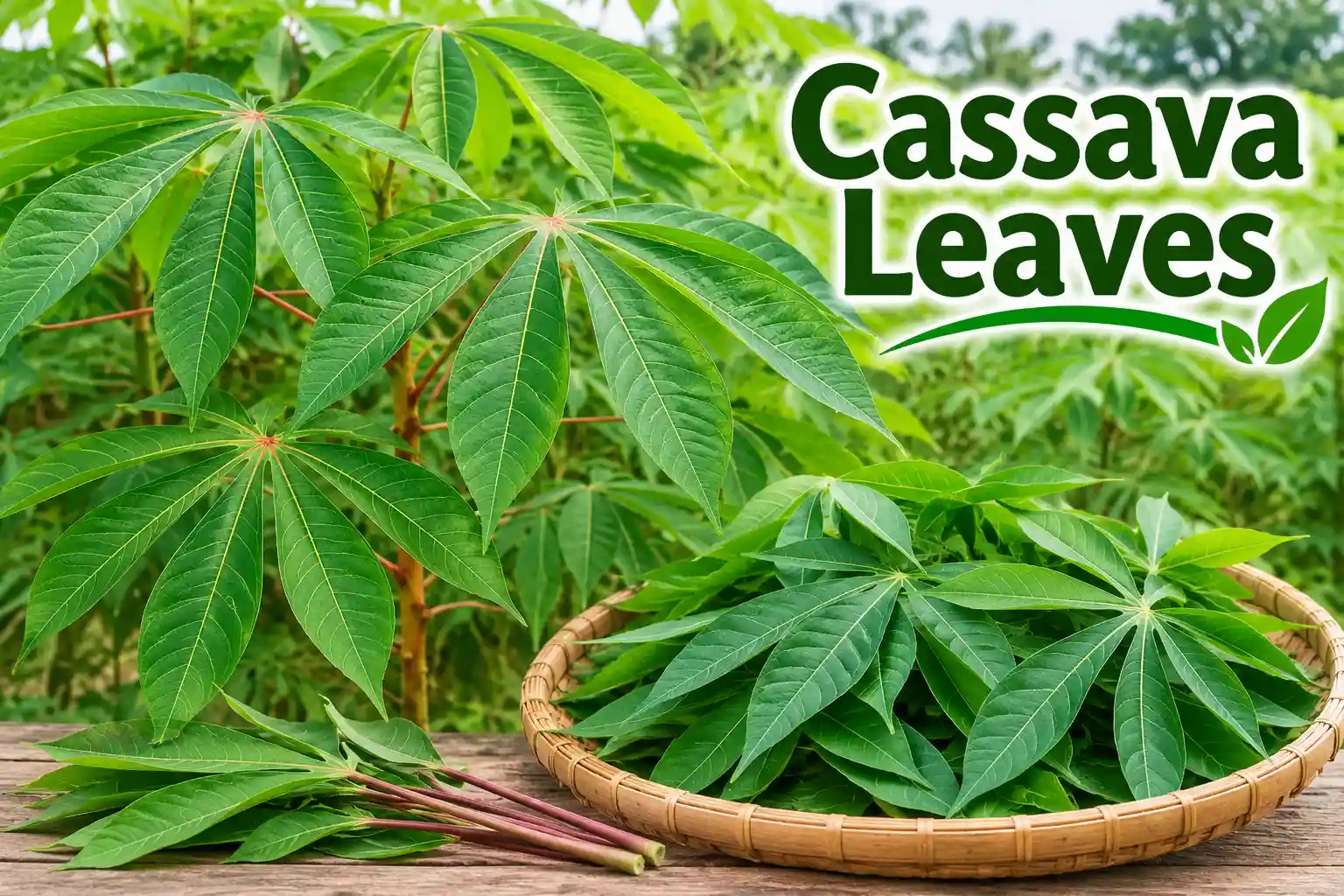
Cassava leaves are a popular type of green vegetable in Indonesia. Beyond being easily accessible and relatively affordable, they are also recognized as a nutrient-rich food source.This vegetable is frequently used in various traditional dishes,
ranging from cassava leaves in coconut milk and stir-fried cassava leaves to being served fresh as a side dish (*lalapan*) alongside *sambal* (chili sauce). In many regions across Indonesia, cassava leaves are a staple in daily meals. Their distinct flavor, tender texture when cooked,
and versatility in pairing with various seasonings make them a favorite for many.However, did you know that cassava leaves are not only delicious but also offer a range of health benefits?
Nutritional Content of Cassava Leaves
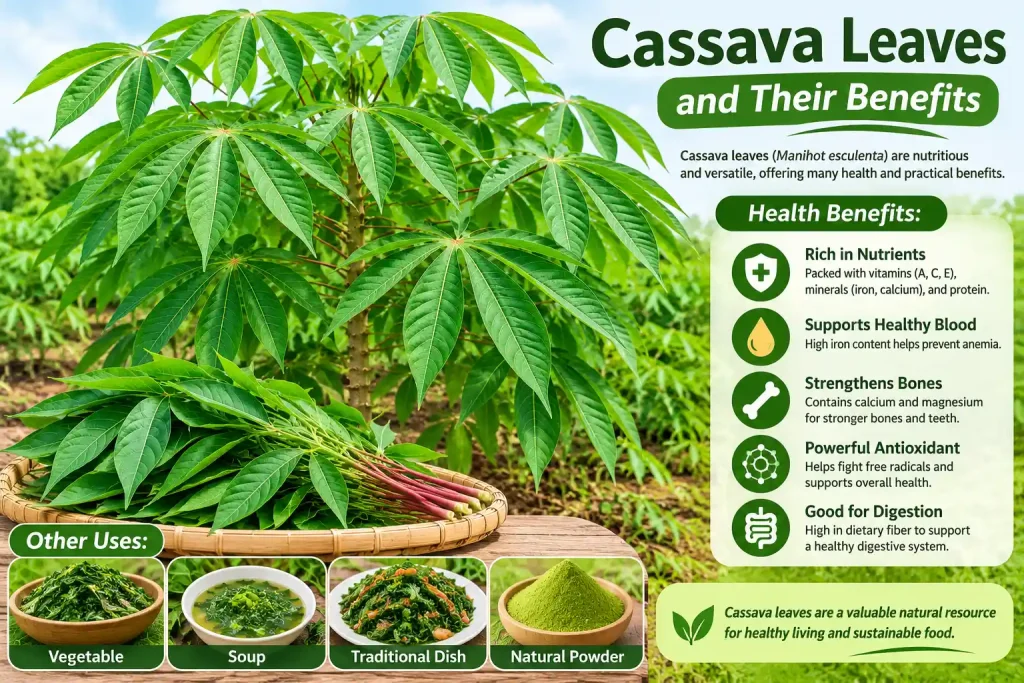
Cassava leaves contain various nutrients essential for the body, including:
Protein: Supports the growth and repair of body tissues.
Fiber: Helps maintain a healthy digestive system.
Vitamin A: Supports eye health and the immune system.
Vitamin C: Acts as an antioxidant and helps strengthen the body’s defenses.
Iron: Aids in the formation of hemoglobin in the blood.
Calcium: Supports healthy bones and teeth.
Folate: Plays a role in the formation of cells and body tissues.
This nutritional profile makes cassava leaves an excellent vegetable choice to incorporate into your daily diet.
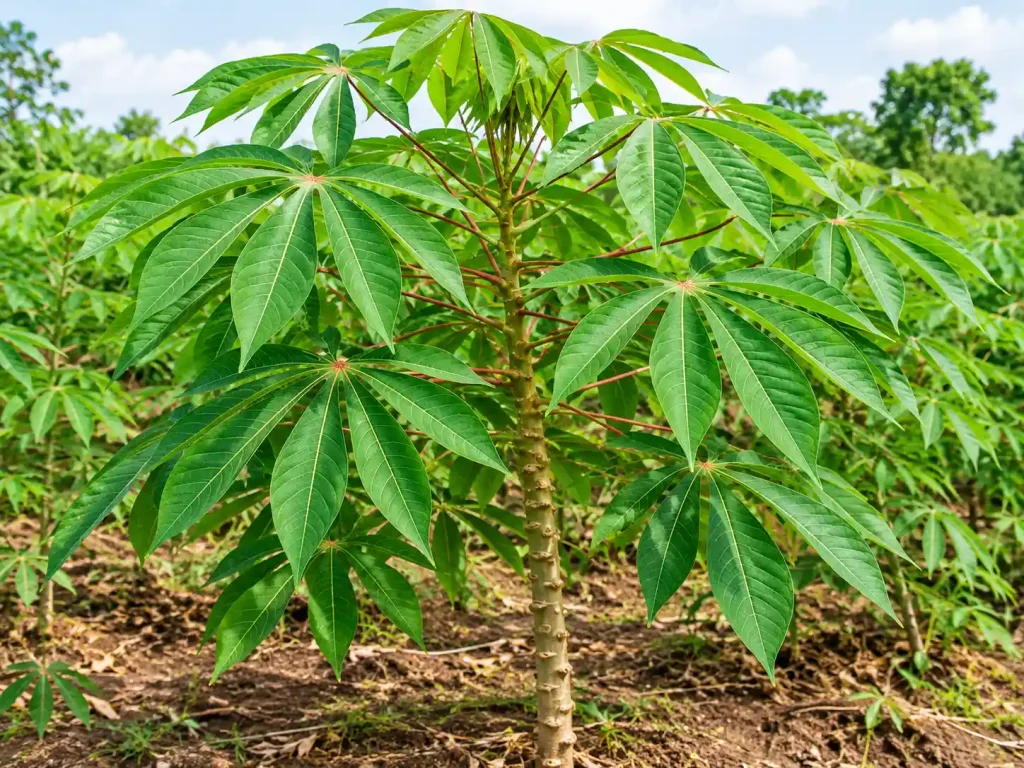
Health Benefits of Cassava Leaves
Consuming cassava leaves—when prepared correctly—can provide several health benefits:
a. Supports digestive health
The fiber content in cassava leaves helps facilitate the digestive process and maintains the health of the digestive tract.
b. Supporting the immune system
Vitamin C and various antioxidant compounds found in cassava leaves help protect body cells from damage caused by free radicals.
c. Maintaining eye health
The provitamin A content in cassava leaves plays a role in maintaining visual function and eye health.
d. Helping to maintain bone health
The presence of calcium and other minerals helps meet nutritional requirements that support bone strength.
e. Supporting the formation of red blood cells
Cassava leaves contain iron and folate, which play a role in the process of red blood cell formation.
Popular Cassava Leaf Dishes
Cassava leaf curry with coconut milk
Prepared with coconut milk and various spices, resulting in a savory flavor.
Stir-fried cassava leaves
Combined with onions, chili, and anchovies for a delicious taste.
Cassava leaf *gulai* (spiced coconut milk stew)
A traditional Indonesian dish featuring a rich, spiced coconut milk gravy.
Urap cassava leaves
Boiled cassava leaves mixed with seasoned grated coconut.
How to Properly Prepare Cassava Leaves
Although they offer many benefits, cassava leaves should never be consumed raw. They naturally contain cyanogenic compounds that can release hydrogen cyanide if not prepared correctly.
Follow these preparation steps:
1. Select fresh, crisp cassava leaves.
2. Remove the leaves from any tough, woody stems.
3. Wash the leaves thoroughly under running water.
4. Boil the leaves in a generous amount of water until they are completely cooked.
5. Discard the cooking water; do not reuse it.
6. Once boiled, the cassava leaves can be used in various dishes according to your preference.
Proper boiling is essential to reduce the harmful compounds naturally present in cassava leaves.
Tips for Selecting Fresh Cassava Leaves
To ensure high-quality produce, keep the following tips in mind:
• Choose leaves that are a vibrant, fresh green.
• Avoid leaves that are yellowing or show signs of damage.
• Ensure the leaves are not slimy and do not have an unpleasant odor.
• Opt for younger leaves, as they tend to have a more tender texture.
• Store cassava leaves in a cool place or in the refrigerator until you are ready to prepare them.
Cassava Leaves as a Culinary Business Opportunity
Beyond their health benefits, cassava leaves also hold promising economic potential. They can be transformed into various culinary products with commercial value.
Business ideas using cassava leaves include:
• Packed meals (bento-style) featuring cassava leaf curry (gulai).
• Ready-to-eat stir-fried cassava leaves.
• Cassava leaf chips.
• Urap (steamed cassava leaves with spiced coconut) for catering services.
• Pre-cooked vegetable portions for household use. Through creative preparation, simple ingredients like cassava leaves can be transformed into appealing food products with genuine market potential.
Conclusion
Cassava leaves are a traditional Indonesian vegetable that offers numerous advantages. Beyond being affordable and easily accessible, they are rich in various nutrients, including protein, fiber, vitamins, iron, and calcium.
Given their diverse health benefits, cassava leaves are a worthy addition to one’s daily diet. However, proper preparation is essential, as these leaves contain natural compounds that can be potentially harmful if consumed without adequate cooking.
With a variety of preparation methods and a distinctive flavor, cassava leaves are not only a delicious staple for home-cooked meals but also hold potential as a culinary business opportunity.