




Introduction
Bamboo is a plant widely found in Indonesia that offers a diverse range of benefits for human life. It is known for its relatively rapid growth, strong stalks,and its versatility across various sectors. Throughout history,
bamboo has been an integral part of life in Indonesia—used for everything from building materials, household items, and handicraftsto food sources. Amidst growing concern for environmental conservation, bamboo is increasingly being recognized as a sustainable alternative material.
Utilizing bamboo wisely can support local economies while simultaneously helping to preserve the natural environment.
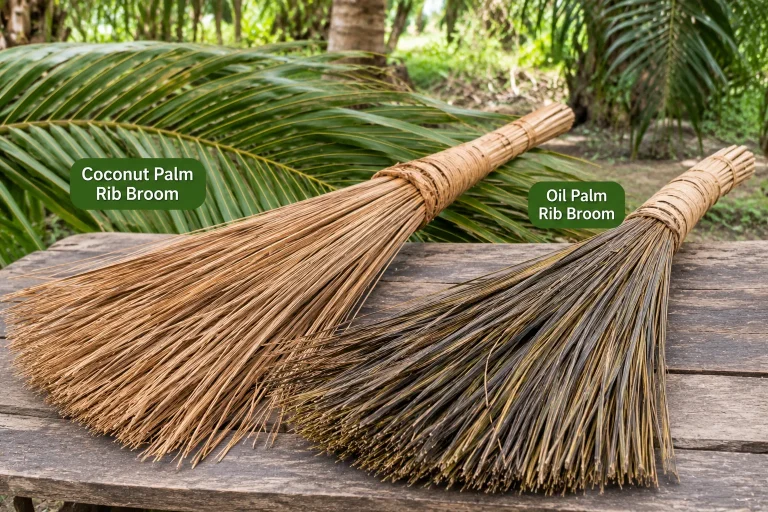
Also Read: Utilizing Coconut and Oil Palm Leaf Midribs
Understanding the Bamboo Plant
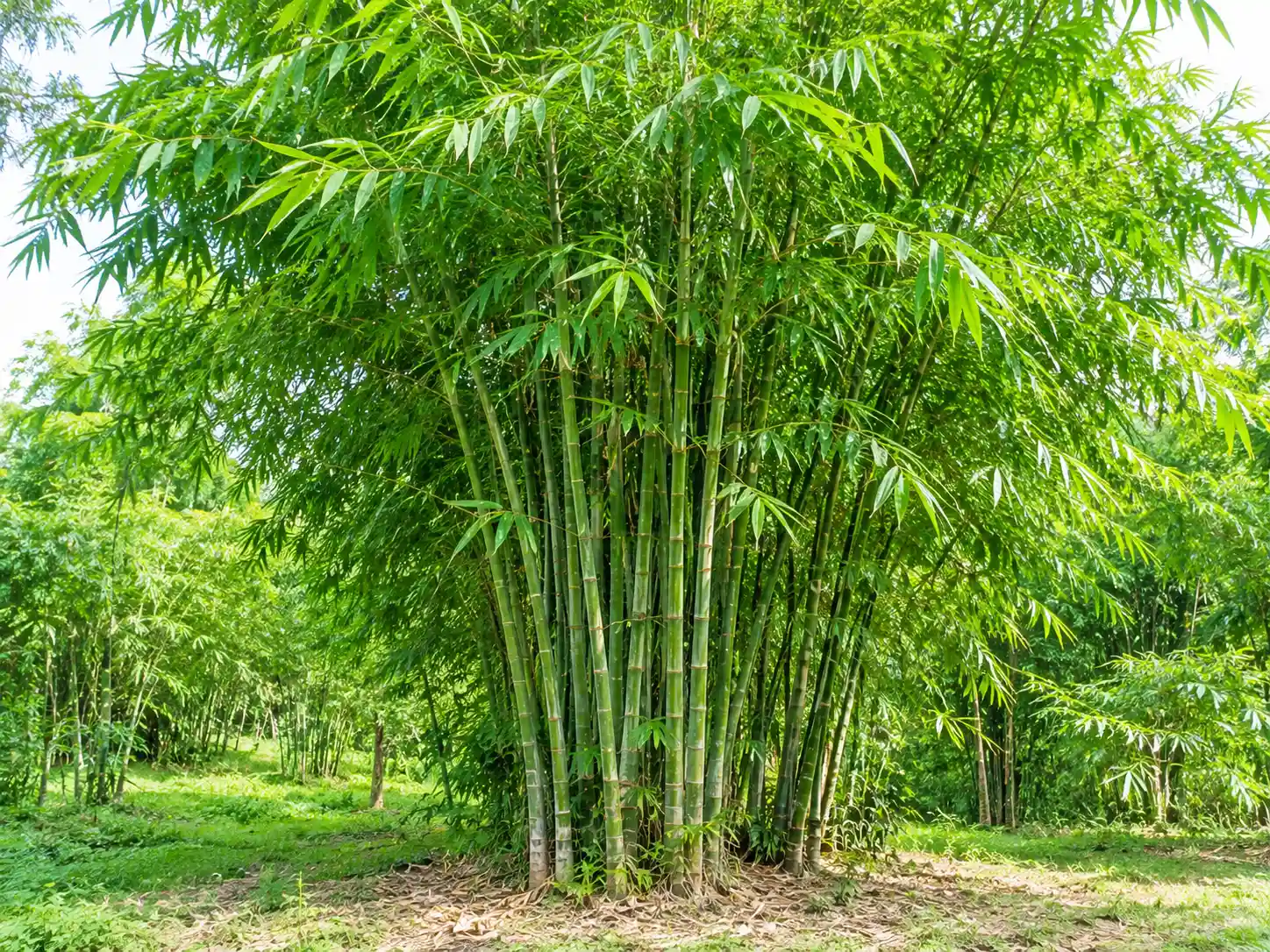
Bamboo belongs to the grass family, Poaceae. Unlike typical woody trees, bamboo features segmented, hollow stalks.This plant can thrive in various regions, particularly in tropical and subtropical zones.
One of its key advantages is its rapid growth; certain species can reach significant heights in a relatively short period,depending on the specific variety and environmental conditions. Furthermore, bamboo’s root system helps bind the soil, which can be effective in reducing erosion in certain areas.
The Benefits of Bamboo in Daily Life
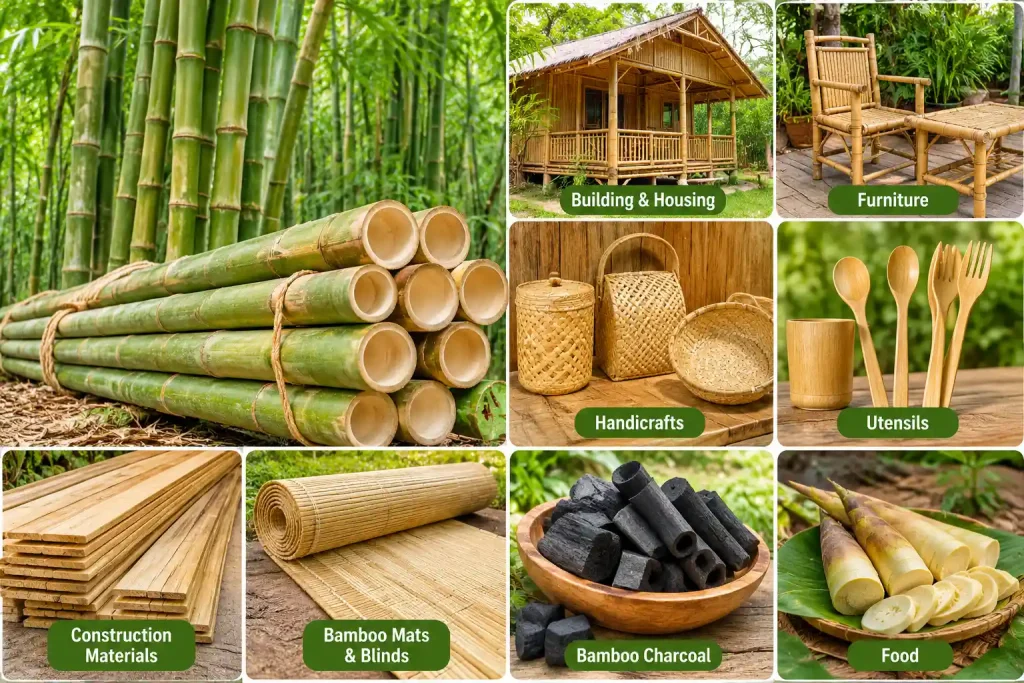
Bamboo serves many purposes, making it highly valuable to society. Below are some of its primary uses:
1. As a building material
Bamboo stalks can be used to construct walls, pillars, fences, flooring, and various other structural elements. When properly selected, designed, and treated, bamboo can serve as a strong and durable construction material.
2. As a material for handicrafts
Bamboo can be crafted into a wide array of products, such as baskets, woven goods, home decor, musical instruments, and furniture. These bamboo-based crafts hold economic value and contribute to the preservation of local culture.
3. As a food source
Certain types of bamboo produce shoots that are edible when prepared correctly. These bamboo shoots are frequently used as a vegetable ingredient in various traditional Indonesian dishes.
4. As an industrial raw material
Bamboo can be processed into paper, laminated boards, composite products, and a wide range of household items. Proper processing can increase the market value of bamboo.
5. Supporting environmental conservation
Bamboo absorbs carbon as it grows and helps maintain soil conditions through its root system. Well-managed bamboo can also support land restoration and provide a habitat for various organisms.
Bamboo as an Eco-Friendly Alternative Material
The use of bamboo as an alternative material is gaining increasing attention, as it can help reduce reliance on materials that require significant resources during their production processes.Under the right conditions, bamboo can be harvested periodically without the need to replant the entire
clump, provided that management practices account for the plant’s natural regeneration.Nevertheless, bamboo is not automatically an eco-friendly material in every scenario. Its overall impact
is still influenced by factors such as cultivation, transportation, preservation, processing, and the product’s lifespan.Therefore, the use of bamboo must be accompanied by responsible management practices to ensure its ecological benefits are fully realized.
The Economic Potential of Bamboo for Communities
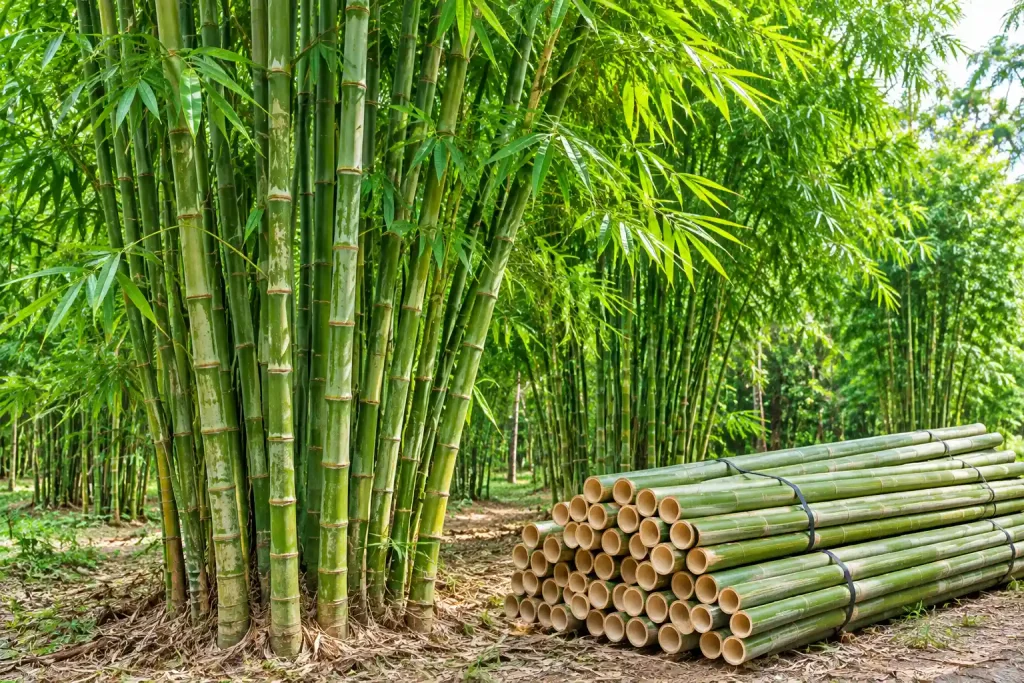
Bamboo holds significant economic potential, particularly for rural communities. It can serve as a raw material source for small and medium-sized enterprises, such as those in the furniture,handicraft, construction material, and other processed goods industries.
With the right skills and innovation, bamboo can be transformed into high-value products.For instance, bamboo—which might otherwise be used only for simple, basic purposes—can be developed into decorative lamps, tableware, modern furniture, or interior accessories.
Developing the bamboo industry can also create job opportunities,increase the income of artisans, and foster local economic growth. Support in the form of training, processing technology, product design, and digital marketing can help enhance the competitiveness of bamboo products in a broader market.
Challenges in Utilizing Bamboo
Despite its many advantages, the utilization of bamboo still faces several challenges. One such challenge is its vulnerability to insect infestations and fungal growth if not properly preserved.Furthermore, the quality of bamboo
can vary depending on the species, the age at which it is harvested, and the conditions under which it grew. Other challenges include limited processing technology in certain regions,as well as the persistent perception that bamboo is only suitable for traditional-style products.
In fact, with innovative design and modern processing techniques, bamboo can be used to create functional and attractive products.Addressing these challenges requires research, workforce skills development, quality standardization, and market expansion.
Through these measures, bamboo has the potential to become a more competitive and sustainable commodity.
Conclusion
Bamboo is a versatile plant that offers significant benefits to human life. Beyond its use in construction, handicrafts, and food,bamboo also holds the potential to support environmental conservation and boost local economies.
The utilization of bamboo should be advanced through sustainable management,appropriate processing technologies, and product innovation. In this way, bamboo can transcend its role as merely a part of tradition and become a vital resource for supporting more environmentally friendly development in the future.