





Introduction
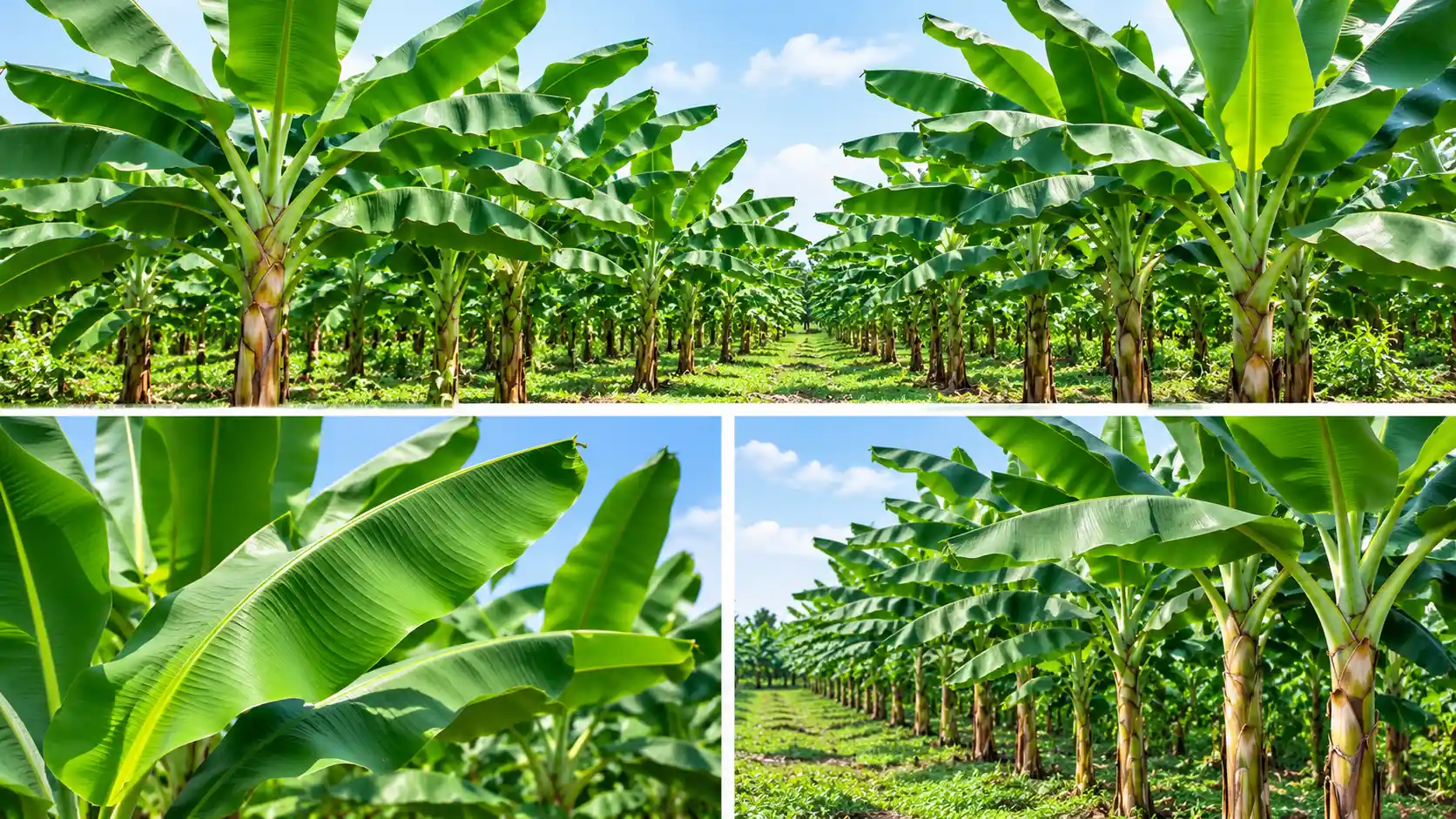
As a tropical nation, Indonesia possesses significant potential in the agricultural sector, including the production of banana leaves. Traditionally, banana leaves have been widely used in Indonesia as wrappers for traditional foods,
serving surfaces for meals, materials for handicrafts, and components for customary ceremonies.With the growing international interest in natural materials and eco-friendly packaging, banana leaves present an opportunity to be developed into an economically valuable export
commodity. This product can be marketed to various countries with Asian communities, restaurants serving traditional cuisine, catering industries, and consumers seeking natural alternatives for food packaging.
Through proper post-harvest processing, effective packaging, and compliance with the standards of the destination countries, Indonesian banana leaves have the potential to become a competitive export product.
Export Market Potential for Banana Leaves
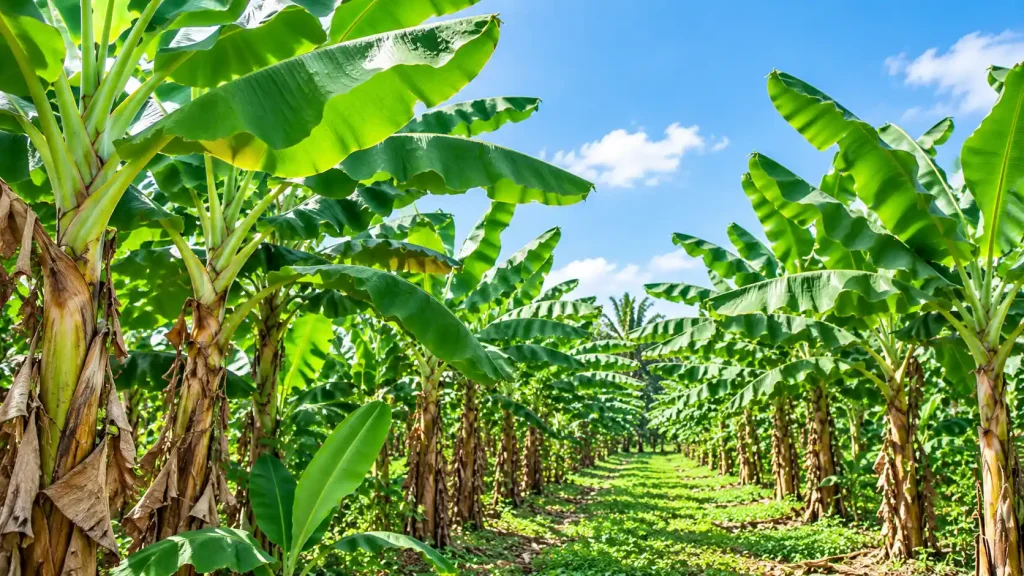
Banana leaves are naturally characterized by their flexibility, ease of use, and versatility for various food-related purposes. These attributes make them a product with strong potential for international markets.
Several markets that could be explored as export targets include:
A. Singapore: A market with consumers of Asian food products, as well as a robust catering and restaurant sector.
B. Malaysia: A market with culinary traditions that incorporate the use of banana leaves.
C. Japan: A market to be explored for the needs of Asian-style restaurants and as a source for natural food-packaging materials.
D. Australia: A potential market given its Asian communities, restaurants, and specialty grocery stores.
E. The Netherlands and other European countries: Markets that could be accessed through distributors of Asian food products and catering businesses.
These countries represent potential targets that warrant further investigation. Actual demand, pricing, import requirements, and distribution costs must be verified with prospective buyers or importers before any export activities commence. Types of Banana Leaf Products for Export
To achieve a higher market value, banana leaves can be marketed in several product forms:
A. Fresh banana leaves
Fresh banana leaves are harvested, cleaned, sorted, and packaged to maintain their quality during transit. This product is intended for buyers who require banana leaves in a fresh state. The primary challenges include preserving freshness, preventing physical damage, and managing delivery timelines to ensure the product arrives in a marketable condition.
B. Frozen banana leaves
Banana leaves can be processed—cleaned, cut, and frozen—according to market requirements. Frozen products help maintain quality throughout the distribution process, though they necessitate appropriate storage facilities and a cold chain.
C. Ready-to-use banana leaves
These are banana leaves that have been cleaned, cut to specific dimensions, and hygienically packaged. Such ready-to-use products can be marketed to restaurants, catering services, hotels, and food distributors.
D. Processed banana leaf products
Beyond whole leaves, businesses can develop derivative products, such as food-wrapping sheets or specialized packaging materials. Development must be tailored to buyer needs and safety standards for materials that come into direct contact with food.
Advantages of Indonesian Banana Leaves
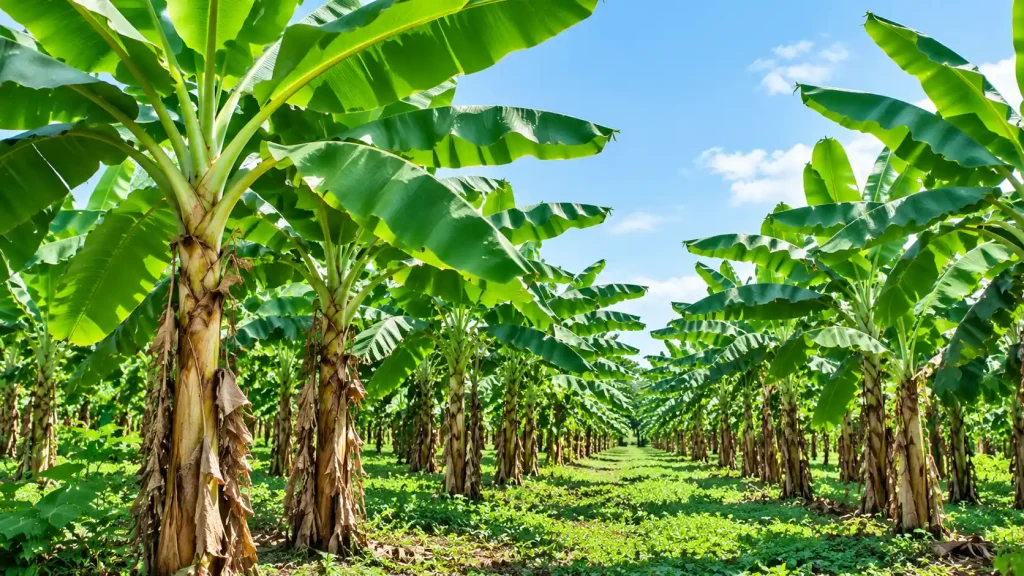
Indonesian banana leaves offer several potential advantages as an export commodity: Availability of raw materials—Indonesia’s tropical climate supports the growth of banana plants across various regions, allowing raw materials to be sourced from local farmers and suppliers.
Natural material—Banana leaves serve as an alternative food-wrapping option, particularly for consumers looking to reduce their reliance on single-use plastic packaging. Versatility—Banana leaves can be used for wrapping,
lining, or presenting various types of food, in accordance with culinary traditions and specific needs.Opportunities for value-added enhancement. Leaves that were previously sold in bulk can command a better price if they are sorted, cut, cleaned, and professionally packaged.
Nevertheless, the product’s competitiveness remains dependent on consistent quality, pricing, durability during transit, and the ability to meet the standards of the target market.
Export Preparation Process
To begin an export business for banana leaves, entrepreneurs can follow these steps:
Stage one: Sourcing raw materials. Collaborate with local farmers or suppliers to ensure a consistent supply of leaves in terms of both quantity and quality.
Stage two: Sorting. Select leaves based on size, color, level of damage, and the specific requirements of potential buyers.
Stage three: Post-harvest handling. Clean and prepare the leaves using methods appropriate for the product type. This process must maintain the quality of the leaves while meeting applicable hygiene standards.
Stage four: Packaging. Use packaging suitable for transport requirements, the duration of the journey, and the specific characteristics of the product.
Stage five: Finding buyers. Reach out to importers, distributors of Asian food products, restaurants, catering services, and food supply companies.
Stage six: Fulfilling export documentation. Prepare trade documents and verify requirements regarding plant quarantine, customs, and the import regulations of the destination country. The necessary documentation may vary depending on the product type and the destination country.
Stage seven: Shipping. Select a transport route and shipping method based on cost, transit time, and the ability to maintain product quality.
International Marketing Strategy
Marketing banana leaves for export must be targeted to effectively reach buyers who have a genuine need for the product.
Strategies that can be implemented include:
• Creating a product catalog in English that includes photos, dimensions, product types, supply capacity, and quality specifications.
• Providing product samples to potential buyers whenever possible.
• Contacting importers of Asian food products and distributors of fresh produce.
• Utilizing international B2B trading platforms to identify potential buyers.
• Offering specifications and pricing based on order volume and shipping methods.
• Establishing long-term partnerships with farmers, logistics companies, and distributors. • Maintaining communication and consistent quality is essential to encourage repeat orders from buyers.
When preparing an export offer, pricing should be calculated based on the costs of raw materials, labor, sorting, packaging, transportation, documentation, handling, and a profit margin.
Challenges in the Banana Leaf Export Business
Despite the market opportunities, the banana leaf export business also faces several challenges.
First, the quality of fresh banana leaves can easily deteriorate during storage and shipping. Therefore, post-harvest handling methods must be tailored to the distance and duration of transport.
Second, logistics costs can affect price competitiveness, particularly for small-volume shipments.
Third, different countries may have varying regulations regarding the importation of plant-based products, quarantine inspections, hygiene standards, and packaging requirements.
Fourth, market demand must be verified through research and direct communication with buyers; businesses should not assume that demand is uniform across all countries.
Fifth, a steady supply of raw materials must be maintained to consistently fulfill orders—especially when buyers require specific sizes, quality standards, and delivery schedules.
Conclusion
Indonesian banana leaves have the potential to be developed as an export commodity, given their versatility for various culinary uses and food packaging needs. The availability of raw materials in tropical regions, combined with their natural characteristics and the potential for processing them
into ready-to-use products, offers business operators an opportunity to increase the value-added of agricultural produce. Success in exporting is not determined solely by the availability of banana leaves; it also depends on product quality,
post-harvest handling, competitive pricing, compliance with the regulations of the destination country, and the ability to identify suitable buyers. By conducting market research, building a supplier network, establishing product standards, and testing shipments on a small scale,
Indonesian businesses can gradually develop their banana leaf trade for the international market. Banana leaves are more than just a traditional agricultural commodity; they are a natural product with the potential to generate greater economic value when managed with the right business and export strategies.
Next steps for preparing to sell abroad
The article above outlines a potential business opportunity. If the goal is to export banana leaves, there are three key factors that must be determined:
• Product type: fresh, frozen, or ready-to-use banana leaves.
• Destination country: for example, Singapore, Malaysia, Japan, or Australia.
• Supply capacity: for example, 100 kg, 500 kg, or 1 ton per shipment.