







Introduction
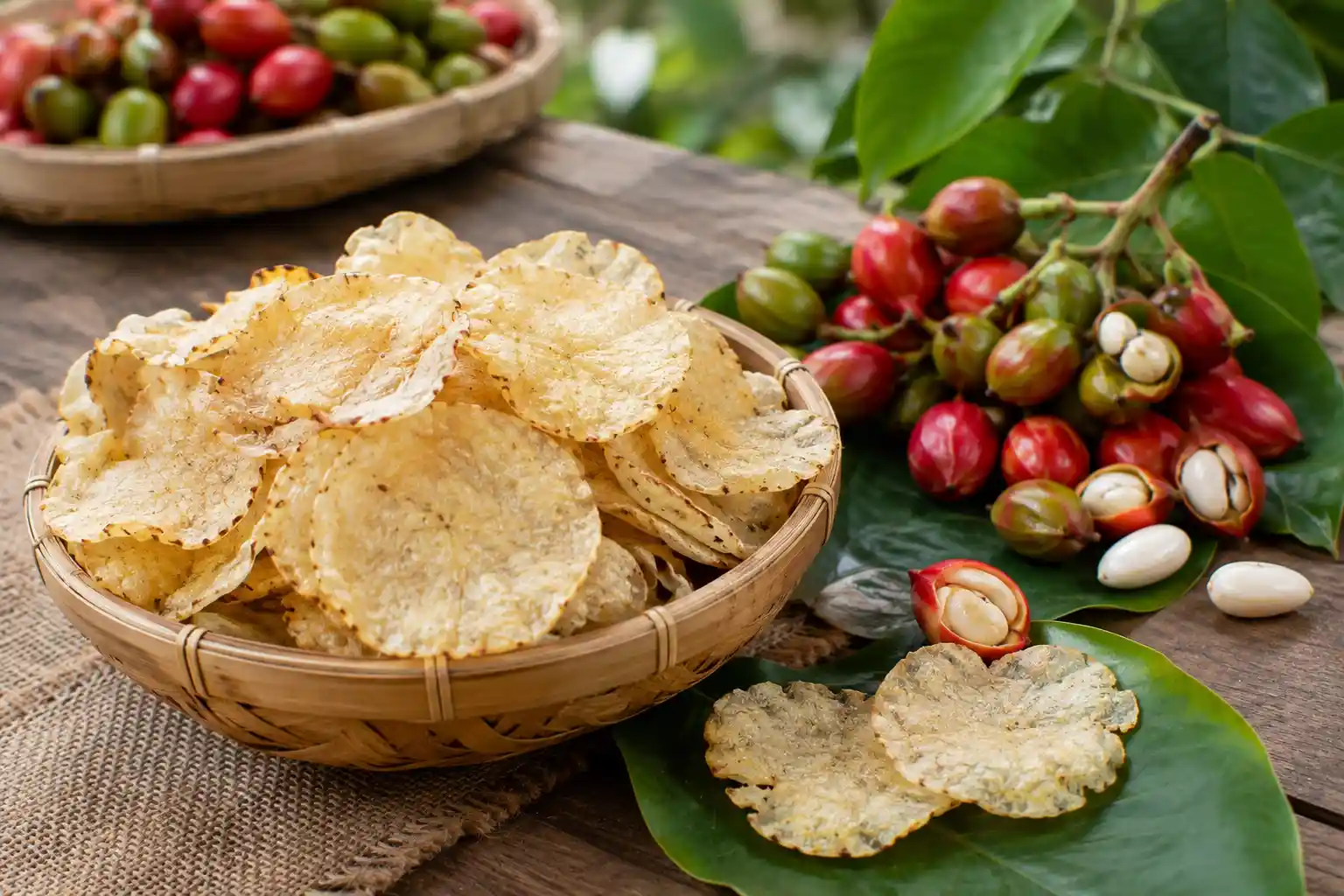
Indonesia is renowned for its rich culinary heritage, characterized by a diverse array of unique flavors. One traditional food that remains popular to this day is *emping melinjo*.This thin, flattened snack offers a savory taste with a subtle, signature hint of bitterness.
Beyond being enjoyed as a standalone snack, *emping melinjo* frequently serves as a complementary side dish for various authentic Indonesian meals.The existence of *emping melinjo* stands as a testament to how Indonesia’s culinary
wealth is deeply rooted in the utilization of natural resources and the traditional skills of its people in processing food ingredients. To this day, *emping melinjo* holds a special place in the hearts of the public—whether as an everyday snack or as an accompaniment to dishes served at various gatherings and events.
History and Origins of Emping Melinjo
*Emping melinjo* is a traditional food crafted from the seeds of the *melinjo* plant (*Gnetum gnemon*). This plant grows abundantly across various regions of Indonesia, particularly in tropical areas.
Mature *melinjo* seeds are transformed into *emping* through a traditional processing method passed down through generations. In many regions—most notably on the island of Java—*emping melinjo* has long been an integral part of local dietary customs.
Because its production relies on manual craftsmanship, *emping* represents a local food product that carries both cultural and economic value. Over time, the production of *emping melinjo* has expanded beyond meeting household needs;
it has also become a commercial commodity, with many small and medium-sized enterprises relying on its production as a source of income.
The Production Process of Emping Melinjo
Creating *emping melinjo* requires precision and patience to ensure a high-quality final product. Traditionally, the production process involves several stages. First, the *melinjo* seeds are carefully selected based on their quality.
The selected seeds are roasted or heated to facilitate the removal of their outer husks and to prepare the inner kernels for further processing. Afterward, the *melinjo* seeds are peeled and flattened using a mallet until they form thin, delicate sheets.
These flattened *emping* sheets are then sun-dried to reduce their moisture content. This drying process is essential, as it ensures the *emping* has a longer shelf life and achieves a crispier texture when fried.
Once dried, the *emping melinjo* is ready to be sold or fried before serving. When deep-fried in sufficiently hot oil, the *emping* expands, resulting in a crunchy texture and a distinctive, appetizing aroma.
The Flavor and Uniqueness of *Emping Melinjo*
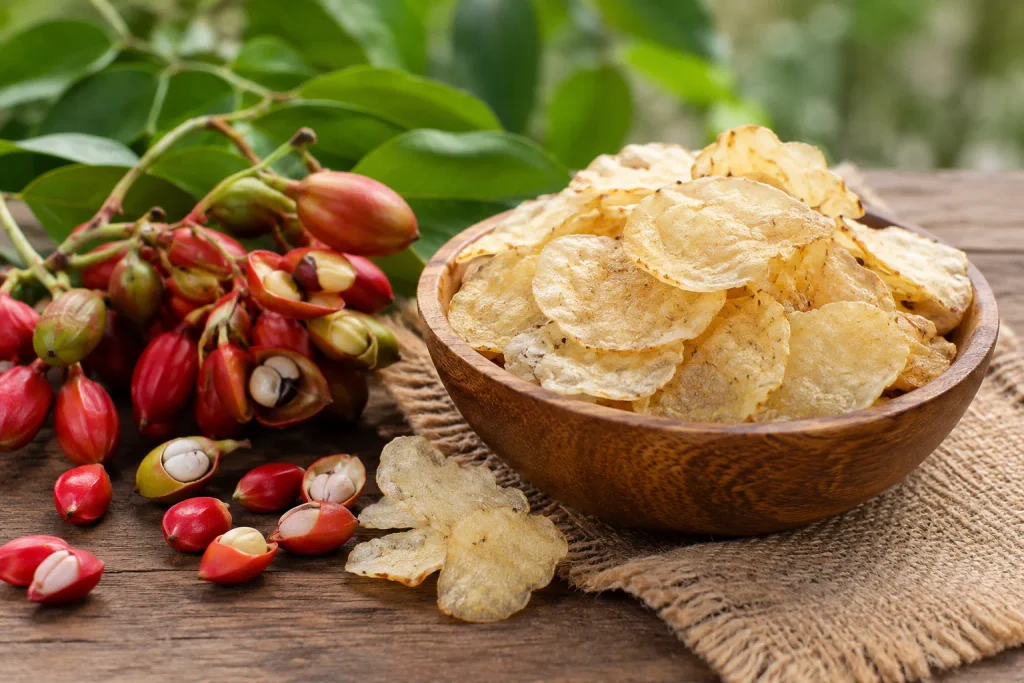
A unique characteristic of *emping melinjo* lies in its blend of savory and slightly bitter notes—a flavor profile that sets it apart from other types of chips or crackers. Its crispy texture makes it a versatile snack, suitable for enjoyment in a wide variety of settings.
*Emping melinjo* comes in various sizes, ranging from small to large. Furthermore, there are seasoned varieties—such as sweet, spicy, or salty versions—developed to cater to diverse consumer preferences.
*Emping* is also well-known as a classic accompaniment to traditional Indonesian dishes. It is frequently served alongside *nasi goreng* (fried rice), *soto* (traditional soup), *rawon* (beef soup), *gado-gado* (vegetable salad with peanut sauce), and many other culinary staples. Its presence adds an extra layer of texture and flavor, enriching the overall dining experience.
Nutritional Value and Consumption of *Emping Melinjo*
*Emping melinjo* (melinjo nut crackers) are derived from seeds that contain various nutrients, including carbohydrates, proteins, fats, and several minerals. However, the nutritional content of ready-to-consume *emping* can vary depending on the processing methods and any added ingredients.
While they possess a distinct flavor, *emping melinjo* should be consumed in moderation. Frying the crackers can cause them to absorb oil, thereby increasing their fat and calorie content. Furthermore, *emping melinjo* contains purines, which can raise uric acid levels in susceptible
individuals. Consequently, those with a history of high uric acid should be mindful of their portion sizes, in accordance with the advice of a healthcare professional. By paying attention to how they are prepared and the quantity consumed, *emping melinjo* can be enjoyed as part of a varied and balanced diet.
Economic Potential and Business Opportunities
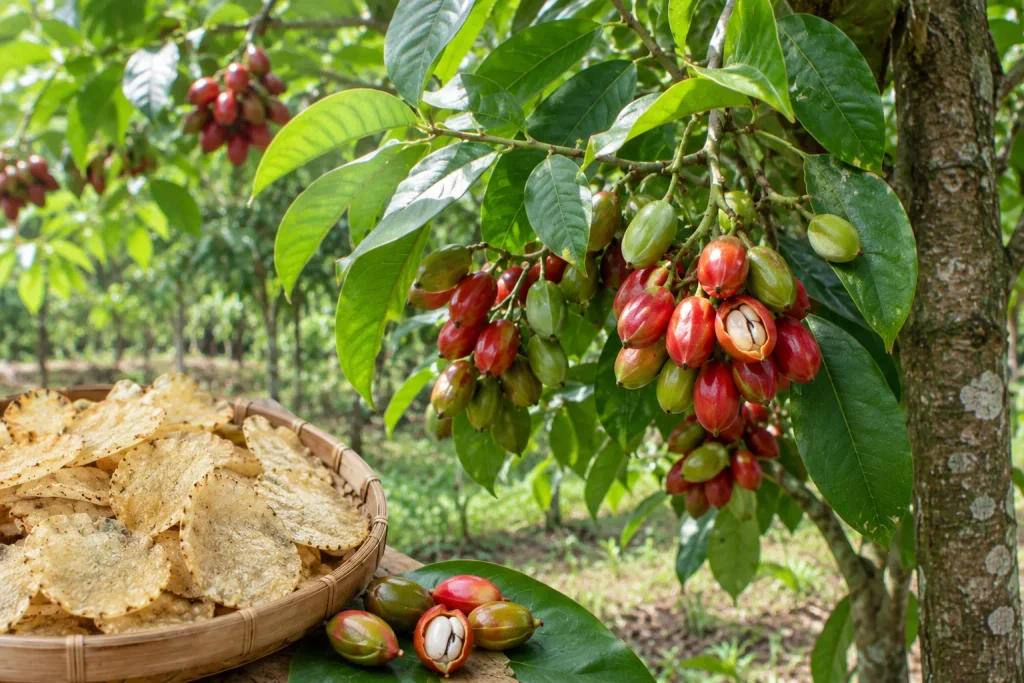
*Emping melinjo* holds significant economic potential, as the raw materials can be sourced from local agricultural produce. The production process can also provide employment for the local community, particularly in tasks such as peeling, flattening, drying, packaging, and marketing.
For small-scale entrepreneurs, *emping melinjo* can represent a promising business opportunity if managed effectively. The quality of raw materials, hygiene during production, consistency in flavor, and attractive packaging are all crucial factors for enhancing a product’s competitiveness.
The advancement of digital technology has also created opportunities for producers to market their *emping* through social media and various e-commerce platforms. With the right marketing strategy, this traditional product can reach a broader consumer base,
including markets well beyond its region of origin. Innovation can also be pursued by developing new flavor variants, offering different package sizes, and creating more modern product designs—all while preserving the product’s traditional, signature character. Efforts to Preserve the Traditional Culinary Delicacy: *Emping Melinjo*
Amid the rise of modern foods and snacks from various countries, the preservation of traditional culinary heritage has become increasingly important. *Emping melinjo* (melinjo nut crackers) is one such culinary legacy that must be safeguarded so that it remains known to the younger generation.
Preservation efforts can be carried out by introducing *emping melinjo* through culinary events, traditional food festivals, cultural education, and the promotion of local products. Supporting artisans and small-scale business owners is also essential to ensure that the craft of making *emping* continues to be passed down.
Furthermore, product innovation and the use of digital marketing can help *emping melinjo* remain competitive in the market. In this way, this traditional food not only serves as a piece of Indonesia’s culinary history but can also continue to thrive as a signature regional product.
Conclusion
*Emping melinjo* is a traditional Indonesian culinary item characterized by its distinct flavor, unique production process, and significant cultural and economic value. Made from *melinjo* seeds, this snack is crafted by flattening and drying the seeds, resulting in a crispy,
savory treat once fried. Beyond serving as a popular accompaniment to various Indonesian dishes, *emping melinjo* also creates business opportunities for the community and small-scale industry players.Therefore, ongoing efforts in preservation,
innovation, and marketing development are necessary to ensure that *emping melinjo* remains appealing to people of all generations. By safeguarding the existence of *emping melinjo*, society helps preserve Indonesia’s rich culinary heritage while simultaneously supporting local economic development.