







Introduction
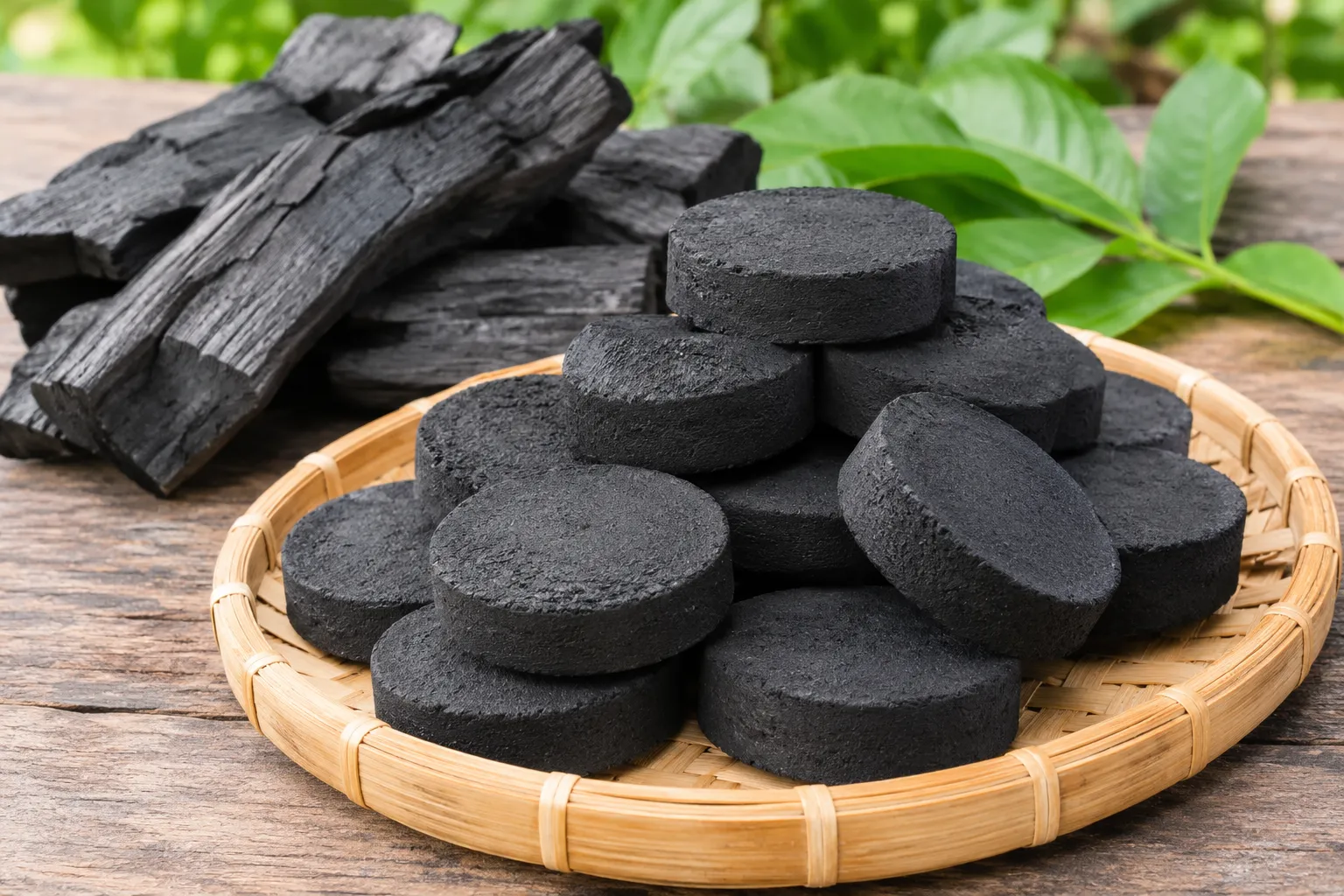
Wood charcoal is a product derived from wood processing that offers numerous benefits for daily life. It is produced by burning wood with a limited supply of oxygen, which transforms the wood into a carbon-rich material.
This product has long been used as fuel for cooking and grilling, as well as to meet the daily requirements of various industrial sectors.As market demand evolves, the wood charcoal industry presents a highly promising business opportunity.
Factors such as the availability of raw materials, production techniques, and demand from both local and international markets contribute to the growth of this sector.
Definition of Wood Charcoal
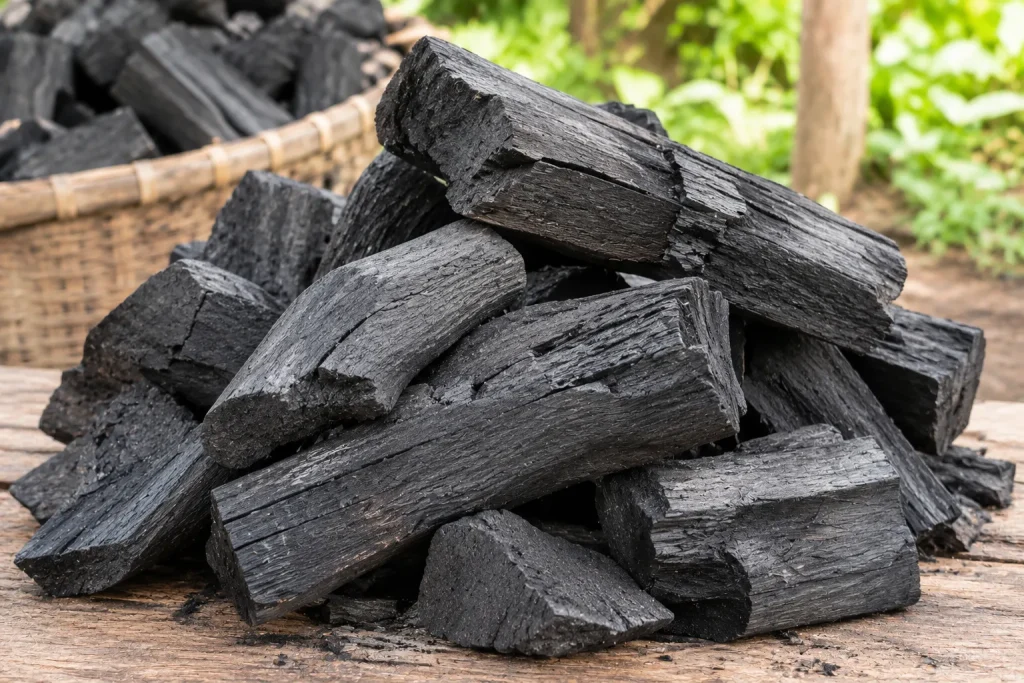
Wood charcoal is a solid fuel created through the carbonization of wood. This process involves heating wood to a specific temperature in an environment with minimal oxygen. The result is a black, relatively lightweight material that generates heat when burned.
The quality of wood charcoal can be influenced by several factors, including the type of wood used, the moisture content of the raw material, the combustion temperature, and the production techniques employed. High-quality charcoal typically features low moisture content, a high carbon content, and the ability to produce heat consistently.
The Wood Charcoal Production Process
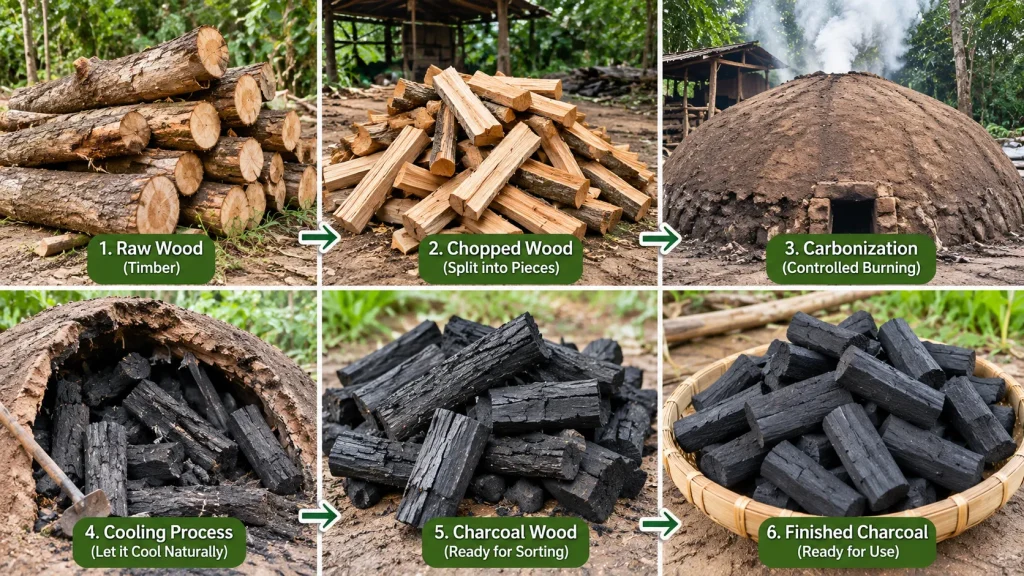
The production of wood charcoal involves several key stages to ensure the final product meets market requirements:
1. Selection of raw materials. Wood is selected based on its type, size, condition, and availability. Sourcing wood from legal and sustainable origins is crucial for preserving the natural environment.
2. Drying. The wood is dried beforehand to reduce its moisture content, making the carbonization process more efficient.
3. Carbonization. The wood is heated in a kiln with a limited supply of oxygen. During this stage, the components of the wood decompose, yielding charcoal along with gases and vapors produced by the combustion.
4. Cooling. Wood charcoal must be cooled under safe conditions before being removed from the kiln to prevent it from reigniting upon contact with air.
5. Sorting and packaging. Charcoal is sorted based on size, wood hardness, cleanliness, and quality before being packaged for sale.
Each stage must be carried out correctly, as it affects product quality, production efficiency, worker safety, and the market value of the wood charcoal.
Benefits of Wood Charcoal
Wood charcoal has a wide range of uses, ensuring its continued demand among the general public and industrial sectors alike.
• Cooking fuel: Used for grilling satay, fish, chicken, and various other types of food.
• Household and culinary business needs: A preferred fuel choice for food vendors and restaurants that utilize charcoal-based grilling.
• Industrial needs: Used as a heat source in various production processes, depending on specific industrial requirements and specifications.
• Raw material for derivative products: Wood charcoal can be further processed into charcoal briquettes or converted into activated charcoal through specialized treatment.
• Trade opportunities: Wood charcoal can be marketed in various sizes and packaging types to suit consumer needs.
It should be noted that wood charcoal used for cooking produces carbon monoxide. Therefore, burning must take place in an open area or a space with adequate ventilation—never in an enclosed indoor environment.
Business Opportunities in Wood Charcoal
The wood charcoal business presents a viable opportunity for individuals, MSMEs (micro, small, and medium enterprises), and entrepreneurs looking to develop the forest-product processing sector. Demand can come from food vendors,
restaurants, fuel distributors, grilling supply stores, and industrial buyers.There are several key factors to consider before starting a wood charcoal business. First, ensure a legal and sustainable supply of raw materials. Second, establish product quality standards tailored to your target market.
Third, calculate production costs, including raw materials, labor, fuel, packaging, transportation, and the depreciation of equipment.Beyond selling charcoal in its standard form, businesses might consider value-added products,
such as charcoal pieces of uniform size, premium charcoal for grilling, or charcoal briquettes. High-quality, well-designed packaging can also help build customer trust.For the export market, businesses must research the requirements of the destination country,
necessary trade documentation, relevant quarantine or customs regulations, and the quality standards specified by buyers.
Environmental Impact and Sustainable Management
While wood charcoal holds economic value, its production must be managed with careful consideration for its environmental impact. Sourcing wood from uncontrolled logging can contribute to forest degradation. Furthermore, traditional, less efficient carbonization processes can generate significant amounts of smoke and emissions.
Efforts to mitigate these impacts include sourcing raw materials responsibly, improving kiln efficiency, controlling smoke emissions, and implementing workplace safety procedures. Utilizing suitable wood waste also serves as a viable alternative for raw material,
provided that the source and processing methods comply with applicable regulations. Sound production management not only helps protect the environment but also enhances operational efficiency and long-term business competitiveness.
Conclusion
Wood charcoal is a versatile product with a wide range of applications—from household fuel to essential uses in the culinary industry and the timber sector. Its production process—involving the careful selection of raw materials, drying, carbonization,
cooling, and sorting—is crucial for ensuring a high-quality final product.Moreover, the wood charcoal industry presents business opportunities that can be cultivated through quality improvements, attractive packaging, and the expansion of marketing networks.
By prioritizing product quality, worker safety, the legality of raw materials, and environmental sustainability, the wood charcoal business has the potential to become a truly sustainable economic activity.