




Understanding Coconut Shell Charcoal
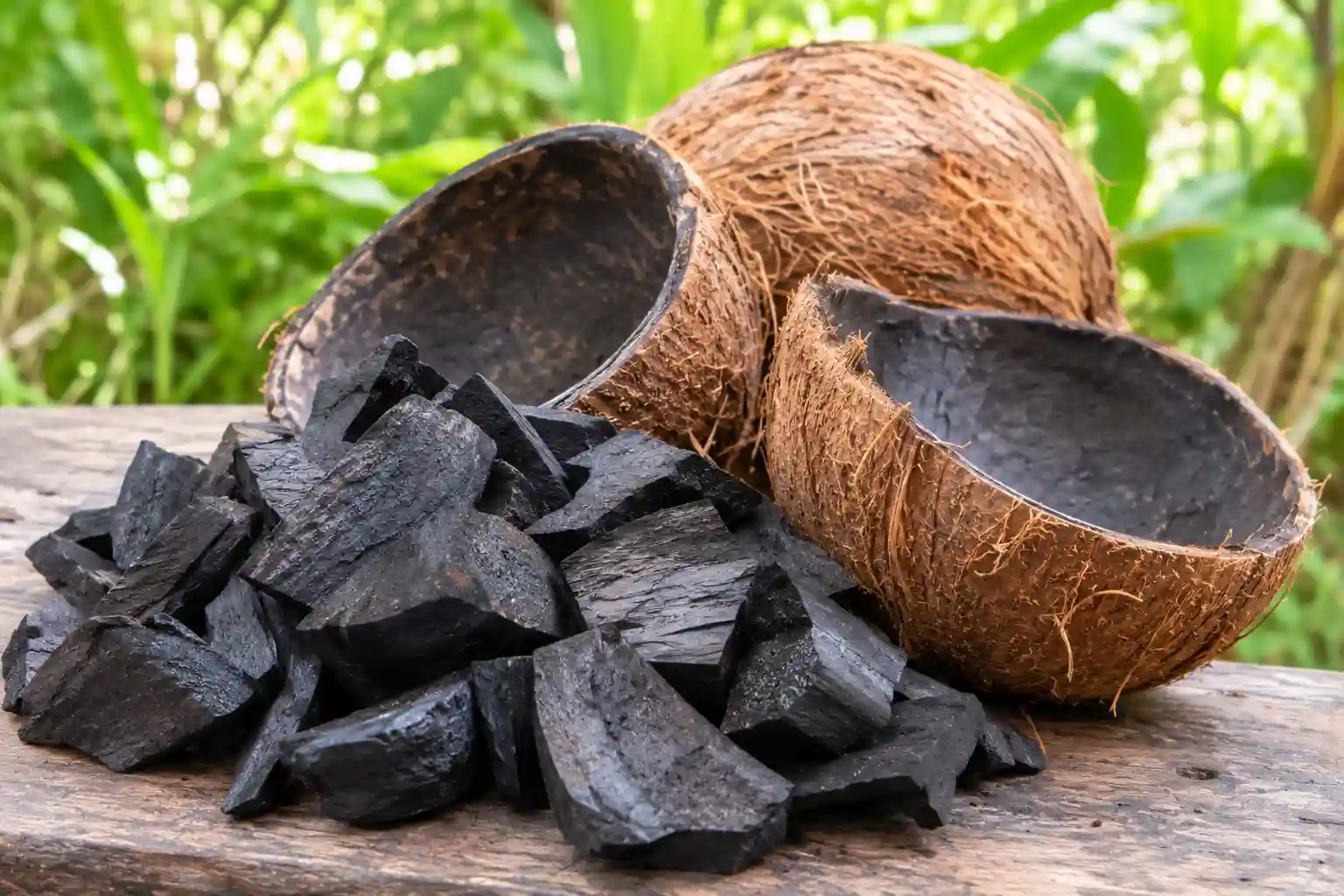
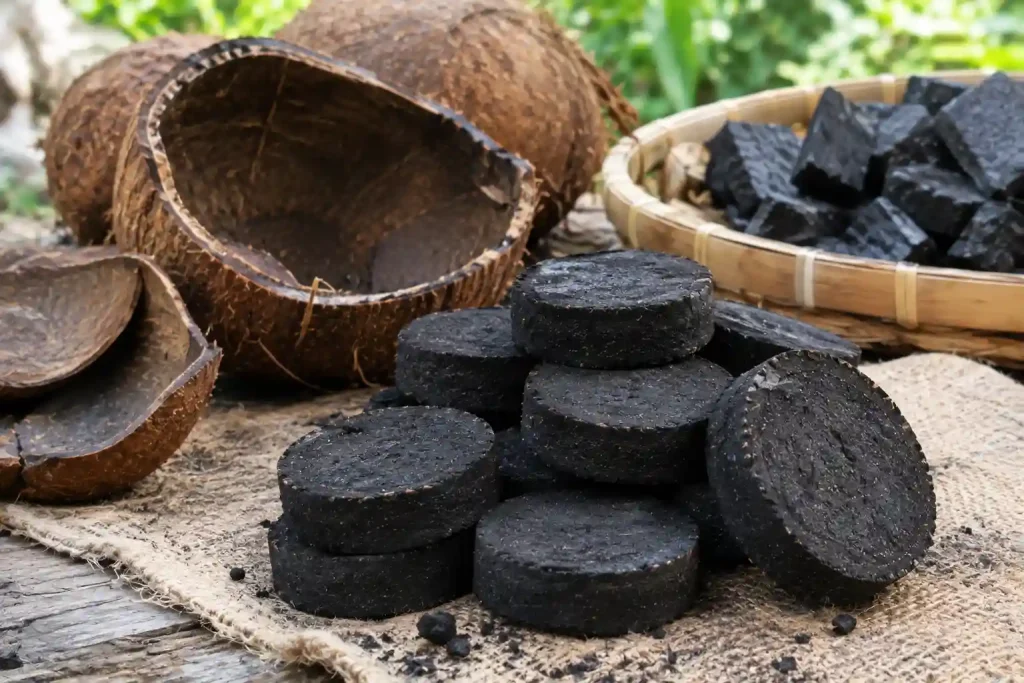
Coconut shell charcoal is a product obtained by burning coconut shells in an environment with limited oxygen. This product holds significant economic value, as it can be used as fuel, as a raw material for charcoal briquettes, or as a precursor for producing activated carbon for various
industrial applications.As a major coconut-producing nation, Indonesia possesses immense potential for developing the coconut shell charcoal industry. The abundance of coconut shell raw material offers entrepreneurs an opportunity to transform agricultural waste into a marketable product.
Beyond helping to reduce waste,processing coconut shells into charcoal can also create new business opportunities for the community—ranging from small-scale home operations to export-oriented industrial enterprises.
The Production Process of Coconut Shell Charcoal
Producing high-quality coconut shell charcoal requires a precise process. In general, the production involves the following steps:
1. Raw material selection. Coconut shells are selected based on their physical condition and cleanliness. Clean shells, free from excessive debris, facilitate a more efficient processing stage.
2. Drying. The coconut shells are dried to reduce their moisture content, ensuring a more effective carbonization process.
3. Carbonization. The coconut shells are heated in an environment with limited oxygen until they turn into charcoal. Factors such as temperature, duration, and airflow influence the characteristics of the final product.
4. Cooling. The charcoal is cooled under safe conditions before being removed from the kiln. This step is crucial to minimize the risk of the charcoal reigniting.
5. Sorting and packaging. The charcoal is sorted based on size, cleanliness, moisture content, and specific buyer requirements. Finally, the product is packaged to facilitate storage and distribution. If charcoal is to be used as a raw material for briquettes or activated carbon, further processing is required to meet the quality standards of the intended product.
Benefits and Uses of Coconut Shell Charcoal
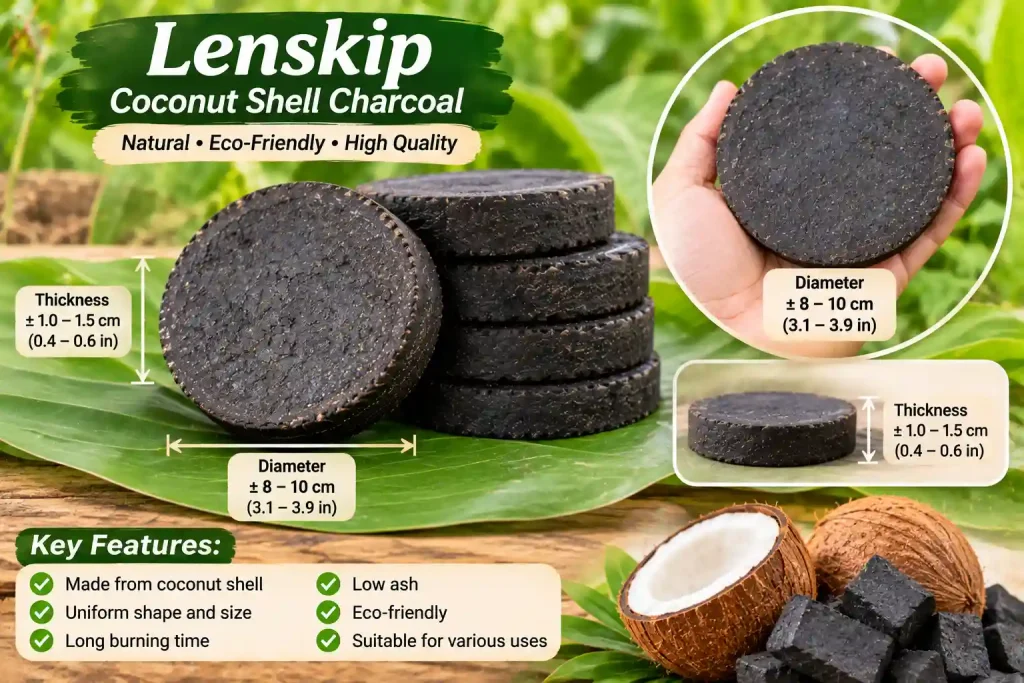
Coconut shell charcoal has a variety of uses, making it highly sought after across different business sectors.
1. Raw Material for Charcoal Briquettes
Coconut shell charcoal can be pulverized, mixed with an appropriate binding agent, and then molded into briquettes. These products are widely used for grilling food and for various heating applications, depending on the product’s specifications and safety standards.
2. Raw Material for Activated Carbon
Coconut shell charcoal can undergo further processing—specifically activation—to produce activated carbon. This material features a porous structure that can be utilized for water filtration, air purification, and certain industrial processes.
3. Alternative Fuel
Under the right conditions and for specific applications, coconut shell charcoal can serve as a fuel source. Its combustion characteristics are influenced by factors such as moisture content, particle size, the degree of carbonization, and the quality of the raw material.
4. Utilization of Agricultural Waste
Processing coconut shells adds value to a part of the coconut that is often underutilized. With proper management, this activity supports more efficient resource utilization.
Advantages of Coconut Shell Charcoal
One of the key advantages of coconut shell charcoal is that it is derived from a biological resource readily available in many coconut-producing regions. Coconut shells, which might otherwise have little value, can be transformed into a commodity with its own distinct market. Furthermore,
coconut shell charcoal can be processed into various types of products, allowing businesses to tailor their production to meet market demands.For instance, one could sell raw charcoal to briquette manufacturers or develop finished briquette products for end consumers.
However, it should be noted that the quality of the charcoal can vary. Factors such as the type of coconut shell, moisture content, carbonization technique, ash content, and fixed carbon level must be considered to ensure the product meets buyer requirements.
Coconut Shell Charcoal Business Opportunities
The coconut shell charcoal business offers significant development potential, as the product can be integrated into various industrial supply chains. Entrepreneurs can choose from several business models, including:
• Raw material supplier: collecting and selling coconut shells or raw charcoal to manufacturers.
• Charcoal producer: processing coconut shells into charcoal and marketing it in bulk.
• Briquette producer: processing charcoal into products with specific shapes and specifications tailored to customer needs.
• Industrial supplier: providing charcoal or activated carbon that meets the technical requirements of buyers.
• Exporter: supplying products to the international market while complying with relevant quality, documentation, and shipping standards.
Before starting a business, it is essential to conduct market research, calculate raw material and energy costs, assess production capacity, and ensure the existence of a buyer base. For the market.
Challenges in the Coconut Shell Charcoal Industry
Despite its economic potential, the coconut shell charcoal industry faces several challenges. The availability of raw materials can fluctuate seasonally, and there is intense competition among processors.
Furthermore, uncontrolled combustion processes can generate smoke and emissions that harm the environment. Business operators need to implement more controlled production techniques, prioritize workplace safety,
and utilize appropriate emission-control facilities. Proper management of production waste and charcoal storage is also essential to mitigate fire risks. In terms of marketing, price competition and varying quality standards can pose significant hurdles. Consequently, producers should focus not only on production volume but also on quality, efficiency, and building long-term relationships with customers.
Conclusion
Coconut shell charcoal is a processed product derived from coconut shells, offering diverse applications and economic opportunities. From raw material for briquettes to activated carbon, this product can be developed to meet various market demands.
With the right production processes, quality control, environmental management, and effective marketing strategies, the coconut shell charcoal business has the potential to serve as a valuable, value-added utilization of local resources.
For aspiring entrepreneurs, the crucial first steps include understanding product characteristics, calculating production costs, and identifying target markets before scaling up business operations.