





Introduction
Indonesia is renowned for its rich diversity of traditional culinary offerings. Each region boasts its own signature dishes, characterized by distinct flavors and unique preparation methods.Among the food staples that have long been an integral part of Indonesian
life are anchovies ikan teri and salted fish ikan asin. Both are widely prized for their savory taste,ease of preparation, and versatility in various traditional recipes. Medan anchovies ikan teri Medan are particularly popular, while salted fish is a traditional staple
found throughout many regions in Indonesia. Beyond serving as a side dish for rice, both hold significant economic, cultural, and culinary value for the community.
Getting to Know Medan Anchovies and Salted Fish
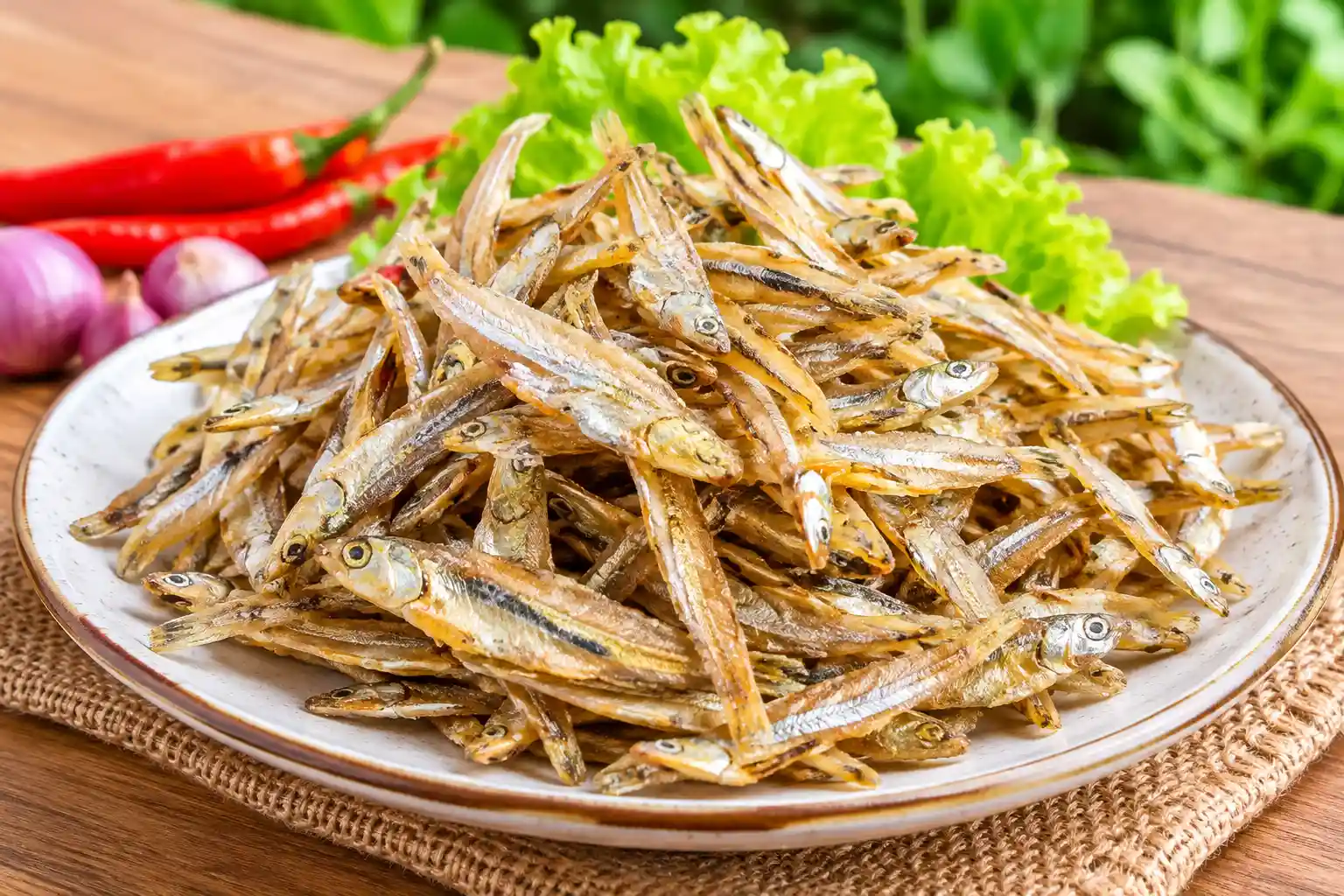
Medan anchovies are small fish, typically sold in a dried form. They are highly sought after for their savory flavor and the satisfying crunch they develop when fried.Medan anchovies are commonly incorporated into a variety of dishes,
such as sambal teri (anchovy chili relish), teri kacang (anchovies with peanuts), stir-fried anchovies with green chilies, or even as an addition to fried rice. Salted fish, on the other hand, consists of fish preserved through a process of
salting and drying. This traditional method has long been used to extend the shelf life of fish, especially in coastal areas. A wide variety of fish can be processed into salted fish,ranging from peda (mackerel) and jambal (catfish) to gabus (snakehead) and salted anchovies.
Although they possess different characteristics, both Medan anchovies and salted fish offer a distinctive flavor that enhances the deliciousness of everyday meals.
A Variety of Appetizing Traditional Preparations
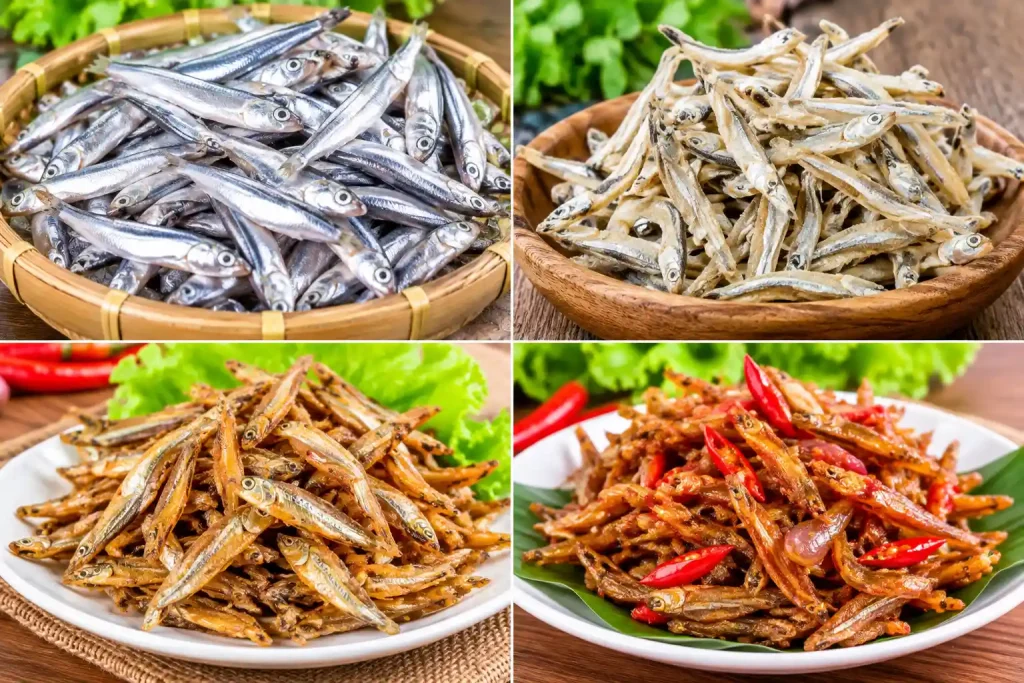
There are numerous traditional Indonesian dishes that feature either Medan anchovies or salted fish as a key ingredient. Below are some preparations that are well-known among the public.
1. Medan Anchovy Sambal (Sambal Teri Medan)
Medan anchovy sambal is a dish that combines fried anchovies with chili, shallots, garlic, and tomatoes. Its blend of spicy, savory, and slightly sweet flavors makes it a perfect accompaniment to warm white rice.
This sambal can also be customized with the addition of *petai* (stink beans), potatoes, or peanuts. Beyond serving as a family side dish, it is a practical choice, as it is relatively easy to store when prepared and packaged properly.
2. Anchovies with Peanuts (Teri Kacang)
*Teri kacang* is a simple yet widely popular dish. It is prepared by frying anchovies until crispy, then mixing them with fried peanuts and a selection of seasonings.The crunchy texture of both the anchovies and the peanuts creates a unique sensory experience. This dish works well as a side for rice or as a complement to other traditional meals.
3. Stir-fried Salted Fish with Green Chilies
Stir-fried salted fish with green chilies is a home-style dish popular across many regions in Indonesia. The salted fish is first fried, then stir-fried with green chilies, shallots, garlic, and tomatoes.The bold, salty flavor pairs beautifully with the aromatic stir-fry seasonings,
resulting in a simple yet appetizing dish. To ensure a balanced flavor, the salted fish should be soaked or rinsed—as needed—before cooking or consumption.
4. Anchovy Fried Rice (Nasi Goreng Teri)
Anchovy fried rice is a variation of fried rice that uses anchovies to provide a savory depth of flavor. The anchovies are fried first, then tossed with rice, eggs, garlic, shallots, and other seasonings.This dish demonstrates how traditional ingredients can be transformed into a modern meal while retaining their distinct, authentic character.
Nutritional Content and Considerations
Anchovies contain protein, which the body needs to build and repair tissues. When consumed with their bones, anchovies can also provide calcium.The actual nutritional content depends on the type of fish, its size, the processing method, and how it is served.
Salted fish also contains protein, but the salting process can result in high sodium levels.Therefore, when consuming salted fish or salted anchovies, it is important to be mindful of the total salt intake in one’s daily diet. Some simple ways to enjoy these dishes in a more balanced manner include:
• Reducing the addition of extra salt and sodium-containing seasonings.
• Pairing the dish with fresh vegetables or lightly sautéed greens.
• Using only a moderate amount of oil when frying.
• Choosing products that are clean, free from off-odors, and properly stored.
With the right preparation, anchovies and salted fish can be a versatile part of a family’s menu.
Cultural Value and Culinary Business Opportunities
Culinary dishes featuring anchovies and salted fish are deeply rooted in the eating habits of the Indonesian people. These items frequently appear in daily meals because they pair easily with rice, *sambal* (chili sauce), vegetables, and various other side dishes.
Beyond their cultural significance, products made from anchovies and salted fish also offer promising business opportunities. Entrepreneurs can develop items such as packaged *sambal* with anchovies, ready-to-eat anchovies with peanuts, fish floss (*abon*), or traditional meal kits.
Innovation in packaging, production hygiene, consistent flavor, and digital marketing can help these traditional products reach a wider consumer base. However,
business owners must prioritize food safety, proper labeling, and product shelf life through appropriate processing and storage methods.In this way, traditional culinary offerings not only help preserve cultural heritage but can also serve as a source of income for the community.
Conclusion
Medan anchovies and salted fish are part of Indonesia’s rich culinary heritage, prized for their distinctive flavor and the diverse ways they can be prepared. From *sambal* Medan anchovies, anchovies with peanuts, and stir-fried salted fish with green chilies,
to anchovy-infused fried rice—these dishes demonstrate how simple ingredients can be transformed into delicious and valuable meals. Amidst the evolution of modern cuisine, it is essential to preserve the tradition of using anchovies and salted fish
through recipe innovation, hygienic processing, and the exploration of new business opportunities. By maintaining quality and being mindful of salt content, these traditional culinary staples can continue to be enjoyed by generations to come, remaining an integral part of the culinary identity of the Indonesian archipelago.