




Introduction
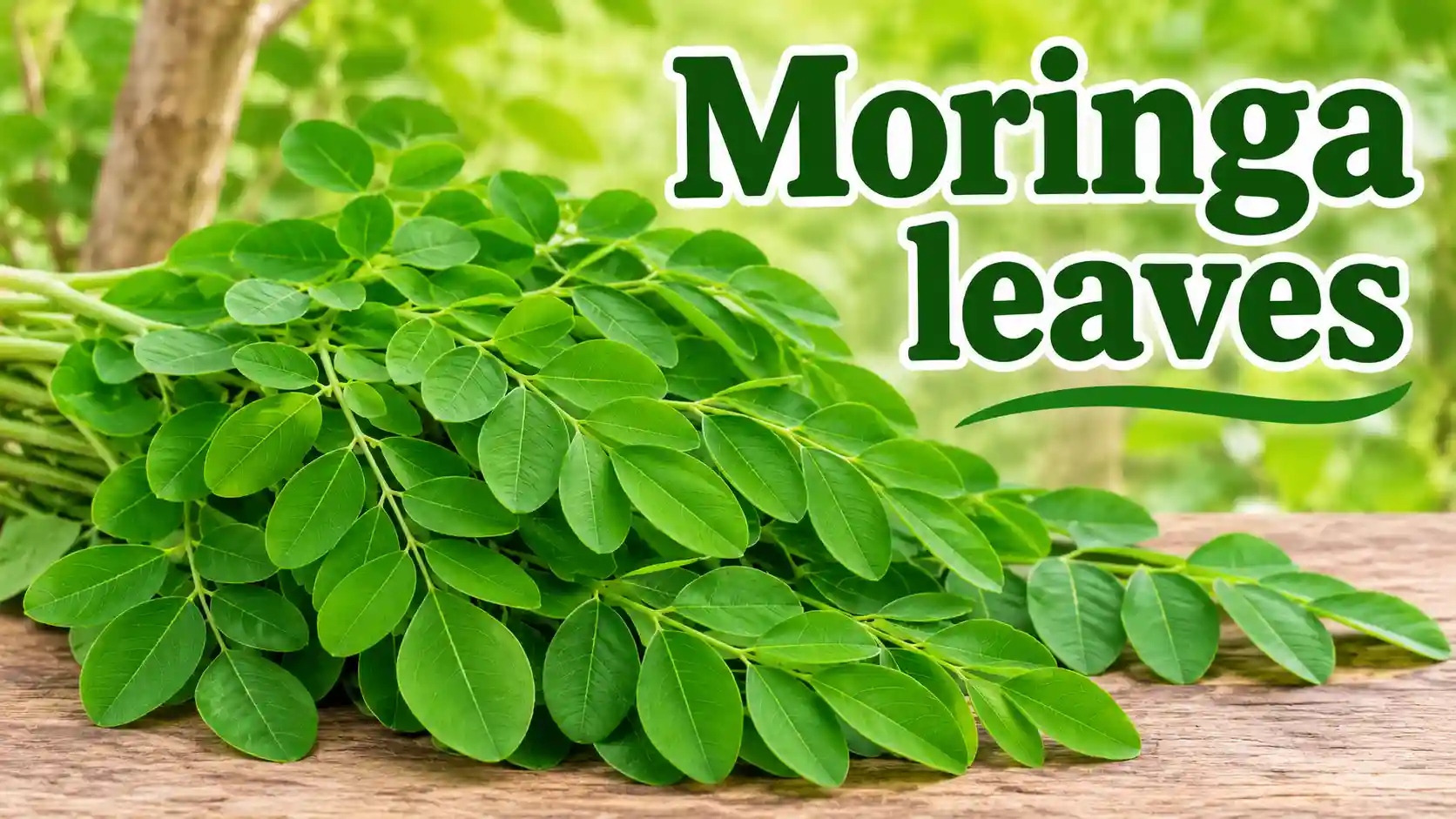
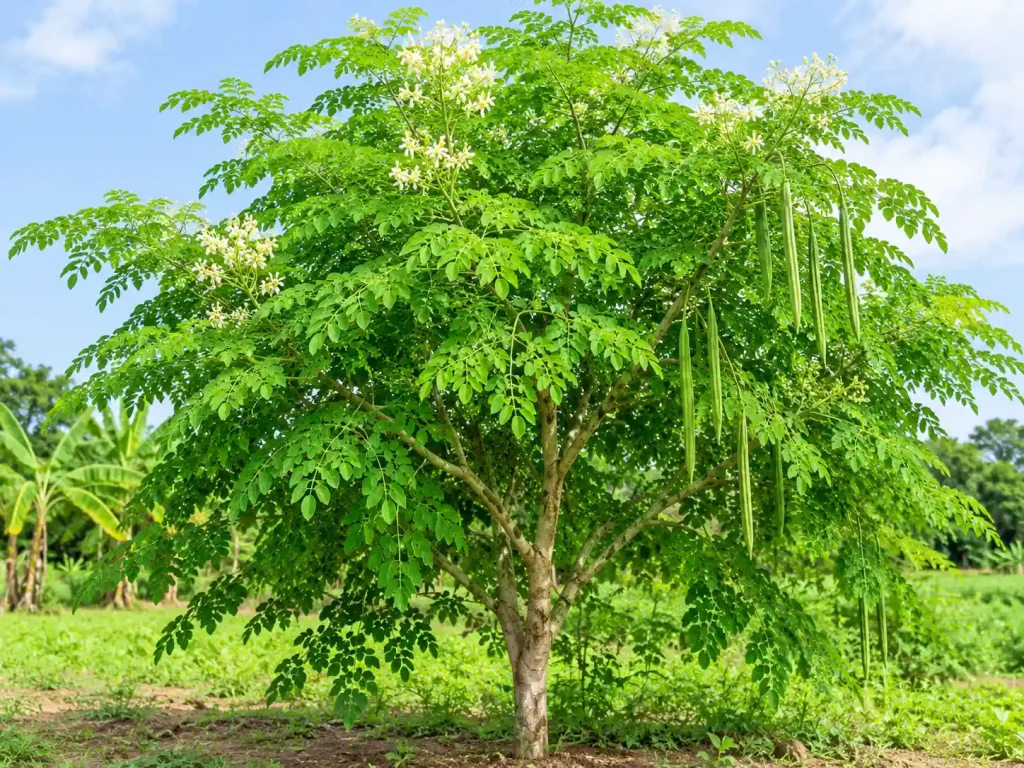
Moringa leaves come from a plant commonly found in tropical regions, including Indonesia. Known scientifically as *Moringa oleifera*, this plant is highly nutritious and offers numerous benefits for human life.
Moringa leaves have long been used as a traditional food ingredient, an herbal remedy, and a component in various health and beauty products. Beyond being easy to grow and maintain, the plant also holds significant economic value.
Consequently, it has the potential to be developed both as a source of nutritious food and as a business opportunity for the community.
Nutritional Content of Moringa Leaves
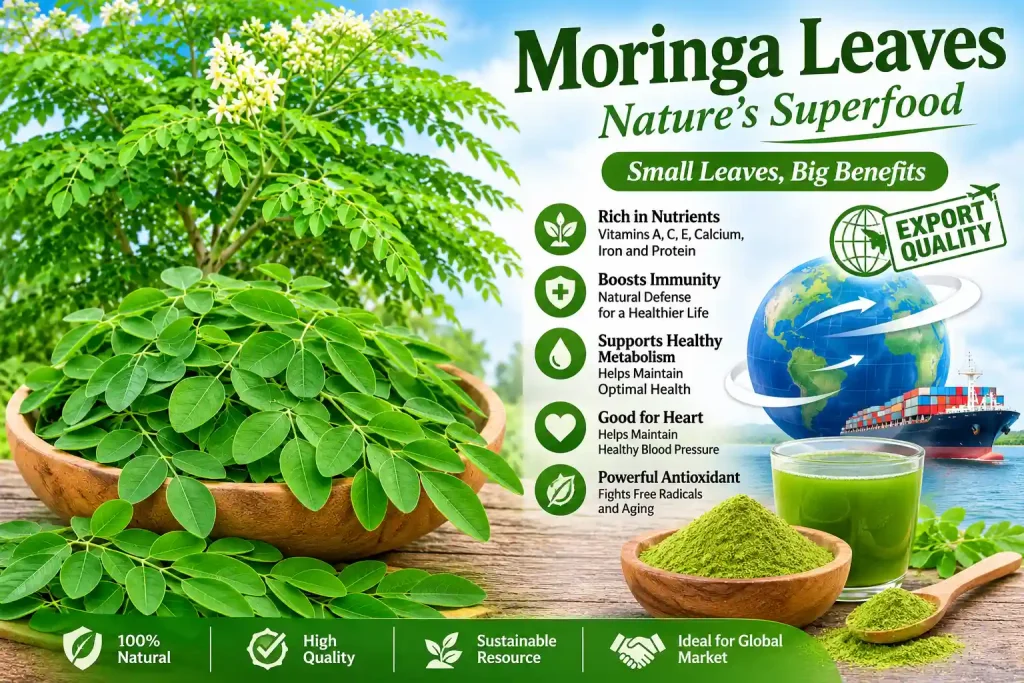
Moringa leaves contain a variety of nutrients essential to the body, such as vitamins, minerals, proteins, and antioxidant compounds. Specific components include vitamin A, vitamin C, calcium, iron, and polyphenols.
These nutrients can help meet dietary requirements when Moringa leaves are consumed as part of a balanced diet. However, the actual amount of nutrients obtained may vary depending on the condition of the plant, how it is processed, and the quantity consumed.
Benefits of Moringa Leaves
1. Helping to Meet Nutritional Needs
Moringa leaves can serve as a source of nutrients in one’s daily diet. They can be prepared as a clear soup, stir-fried, added to other soups, or dried into a powder to be incorporated into various foods.
2. Containing Antioxidants
Moringa leaves contain antioxidant compounds that help protect body cells from damage caused by free radicals. Nevertheless, this does not mean that Moringa leaves can cure every disease.
3. Supporting a Healthy Diet
Including Moringa leaves as part of a varied diet can help improve the overall quality of one’s nutritional intake. Moringa leaves can be combined with sources of protein, carbohydrates, and other food ingredients to create more nutritious meals.
4. Potential for Economic Value
Moringa leaves can be developed into various products, such as herbal tea, moringa powder, chips, and food blends. Such processing can offer business opportunities for the community, provided that hygiene, product quality, and food safety standards are maintained.
How to Prepare Moringa Leaves
Moringa leaves can be prepared in various simple ways. A popular method is to use them in a clear vegetable soup; the fresh leaves are separated from their stems, washed in clean water, and then cooked in water with seasonings to taste.
Additionally, moringa leaves can be dried hygienically and ground into a powder, which can then be added to soups or other dishes. Proper processing is essential to ensure the quality and safety of the plant-based food product are preserved.
Important Considerations
While highly nutritious, moringa leaves should not be considered a substitute for medical treatment or medication. Any claims that moringa leaves can cure specific diseases must be supported by sufficient scientific research.
When consumed as food, moringa leaves can generally be part of a healthy daily diet. However, the use of supplements or extracts in large quantities requires caution—especially for individuals taking medication, pregnant or breastfeeding women, and those with specific health conditions.
Conclusion
Moringa is a plant with significant potential as a source of nutrition and as a raw material for various products. Its content of vitamins, minerals, and antioxidants makes it a valuable addition to one’s daily life.
Beyond its nutritional benefits for the body, this plant also holds the potential to provide significant value to the community. Through proper processing and utilization based on scientific evidence, moringa leaves can serve as an excellent option for supporting a healthy diet, as well as for developing businesses centered on local food crops.